 Skip to content

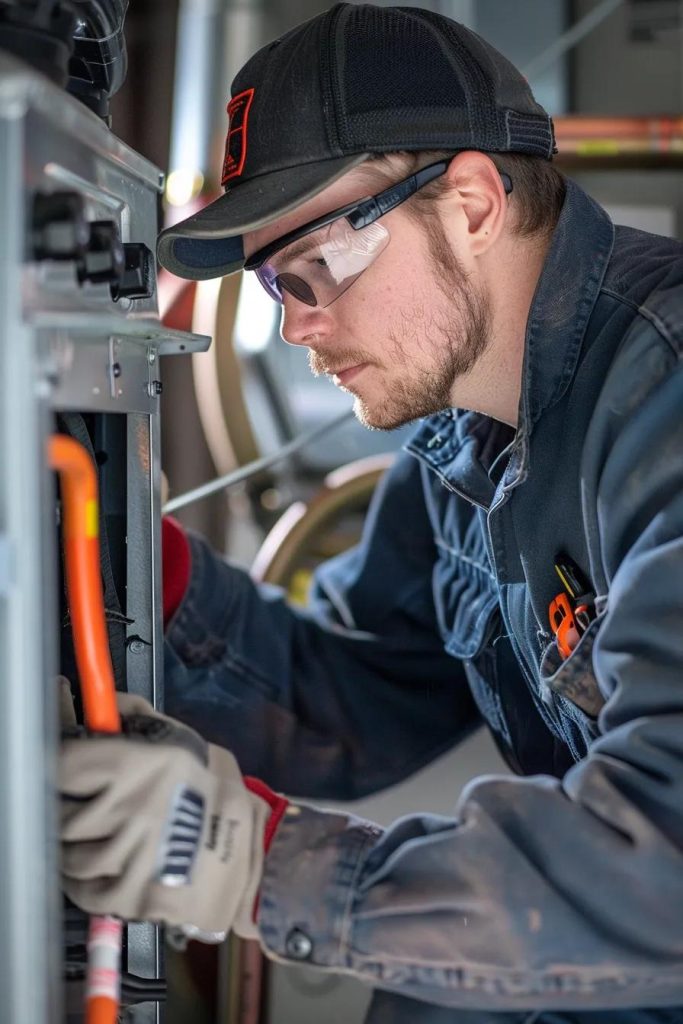
Repair or Replace? Key Furnace Factors for Mentor, Ohio Homeowners
Winter in Mentor, Ohio, isn’t just chilly; it demands a reliable furnace. When your heating system sputters, struggles, or completely stops, you’re suddenly faced with a crucial decision: should you repair your existing unit or invest in a brand-new one? This isn’t merely a financial question; it’s about ensuring your family’s comfort, safety, and managing those energy bills for years to come.
At Buckeye Comfort Solutions, we understand the high stakes involved in keeping your home warm and safe. This comprehensive guide is designed to empower you with the knowledge to make the best choice for your Mentor home, offering practical, local-minded advice every step of the way.
Is Your Furnace Acting Up in Mentor, Ohio? Spot the Early Warning Signs
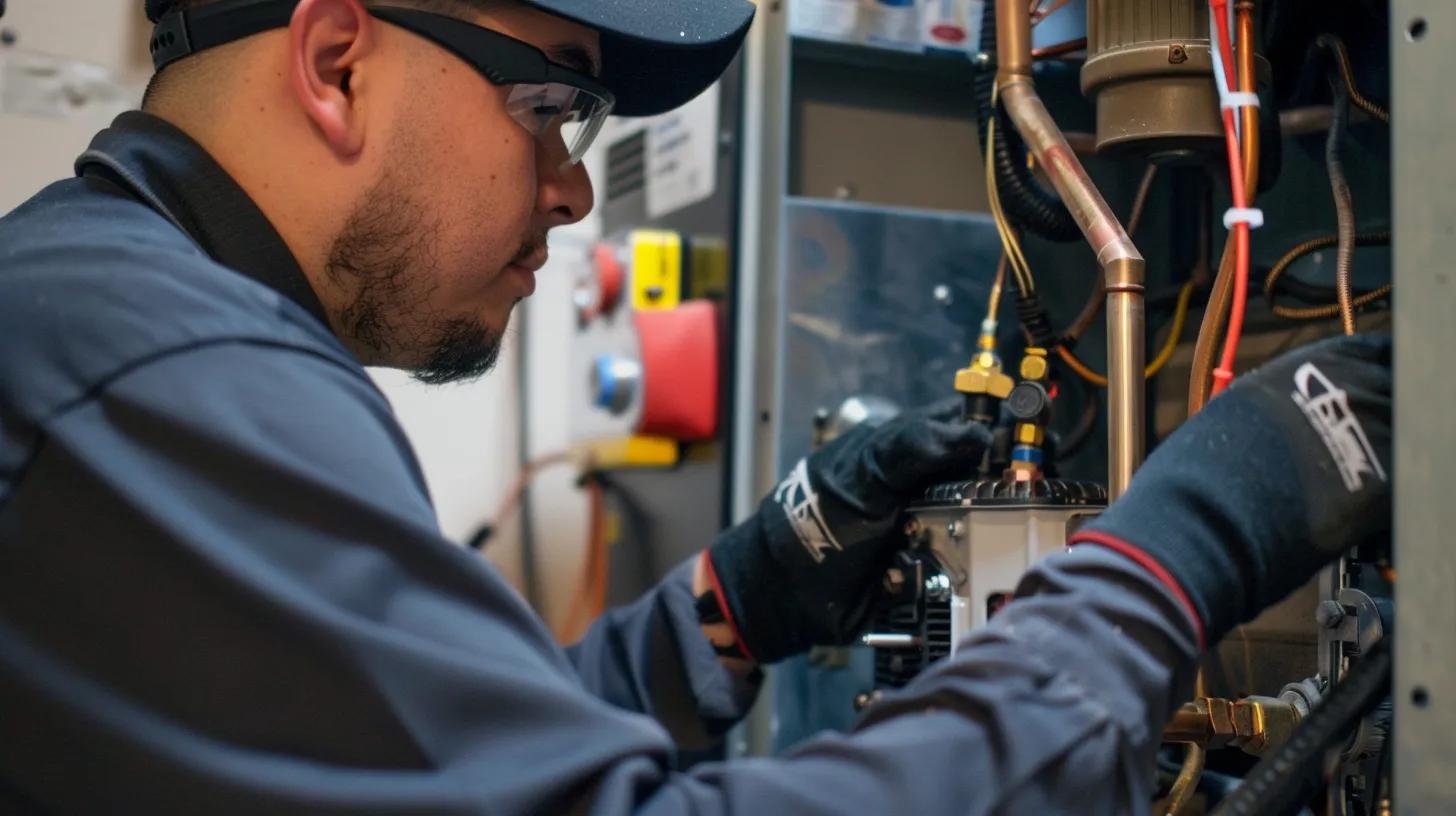
Don’t shiver through another winter, mentor homeowners! Recognizing the early signs of furnace trouble can save you from a complete breakdown and help you decide whether a repair is feasible or if it’s time to consider a replacement. Furnaces, like any complex appliance, give off clues when they’re struggling. These can range from subtle changes in performance to more alarming indicators that demand immediate attention. Understanding these symptoms is the first step in triaging the problem and determining the best course of action.
Quick Homeowner Triage Checklist for Mentor, Ohio Residents
Before you panic, a few simple checks can often pinpoint minor issues or help you describe the problem more accurately to a professional. These quick steps can sometimes resolve the issue or at least provide valuable information.
- Thermostat Check: Always start here! Ensure your thermostat batteries are fresh and the settings are correct (e.g., set to “heat” and at a temperature above your current room temperature). A simple fix often starts with a quick adjustment.
- Filter Inspection: Is your air filter visibly dirty or clogged? A restricted filter severely limits airflow, forcing your furnace to work harder and potentially causing it to overheat or shut down. Replacing a dirty filter is a common, easy fix.
- Listen Up: Pay attention to any unusual noises. Rattling, grinding, squealing, or loud bangs can indicate mechanical problems like a failing motor, loose components, or even a cracked heat exchanger.
- Flame Color: If you have a gas furnace, peek through the burner viewport. A healthy flame should be a steady blue. Yellow or flickering flames, or flames that lift off the burner, signal combustion problems that need immediate professional attention due to potential carbon monoxide risks.
These initial checks can help you distinguish between minor inconveniences and deeper mechanical or safety issues, guiding you toward recognizing the main symptoms that point to either a repairable problem or a likely replacement. For any concerns beyond a simple filter change or thermostat adjustment, it’s always best to call in the experts.
What Are the Main Signs Your Furnace Needs Professional Attention?
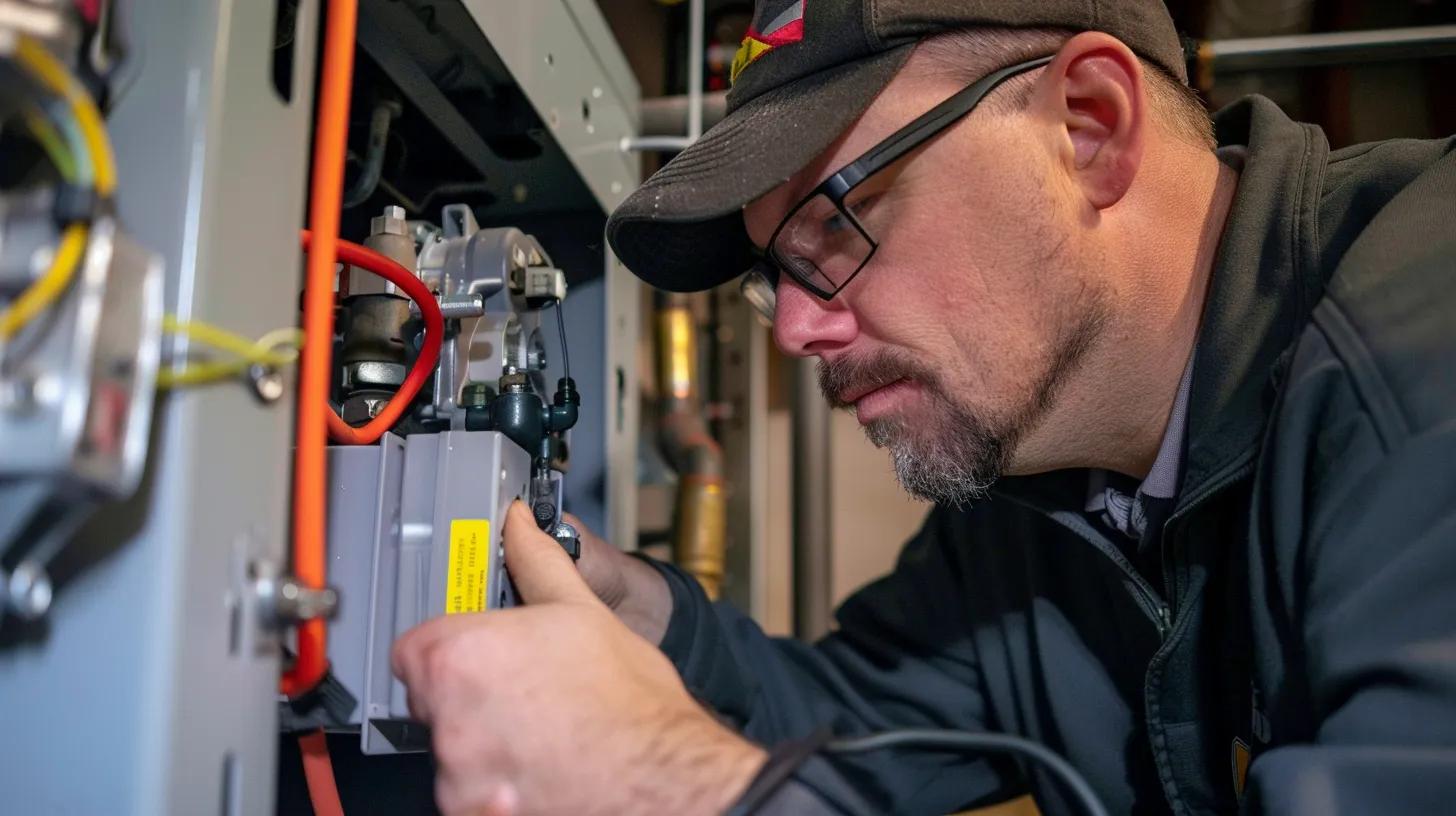
Furnace problems generally fall into two critical categories: discomfort and efficiency issues or safety-critical warnings. Recognizing the signs early can help you decide whether a simple repair is enough or if a full replacement is necessary.
Discomfort and Efficiency Issues
These symptoms usually indicate that your furnace is struggling to perform at its best. Watch for:
- Uneven heating throughout your home – Some rooms may feel too warm while others stay cold.
- Rising energy bills without a change in usage – A furnace that works harder than normal consumes more electricity.
- Frequent short-cycling – The system turns on and off rapidly, which can wear down components like the blower motor, limit switch, or control board.
- Persistent mechanical noises – Buzzing, rattling, or squealing sounds are warning signals of failing parts.
Addressing these problems early with a qualified furnace repair can often restore comfort and efficiency without requiring a full replacement.
Safety-Critical Warnings
Some furnace issues are urgent and should never be ignored. Safety-related signs include:
- Sustained a yellow or orange flame instead of a normal blue flame
- Visible soot buildup around the furnace or vents
- Strong gas odor near the system
- Carbon monoxide (CO) detector alert
These symptoms may point to serious combustion issues or a cracked heat exchanger. In these cases, shut off the furnace immediately, ventilate your home, and call a professional. Often, furnace replacement is the safest solution.
Understanding these categories helps homeowners prioritize whether a repair can provide a temporary fix or if investing in a new system is the smarter long-term choice.
Repair or Replace: Your Furnace Decision Framework
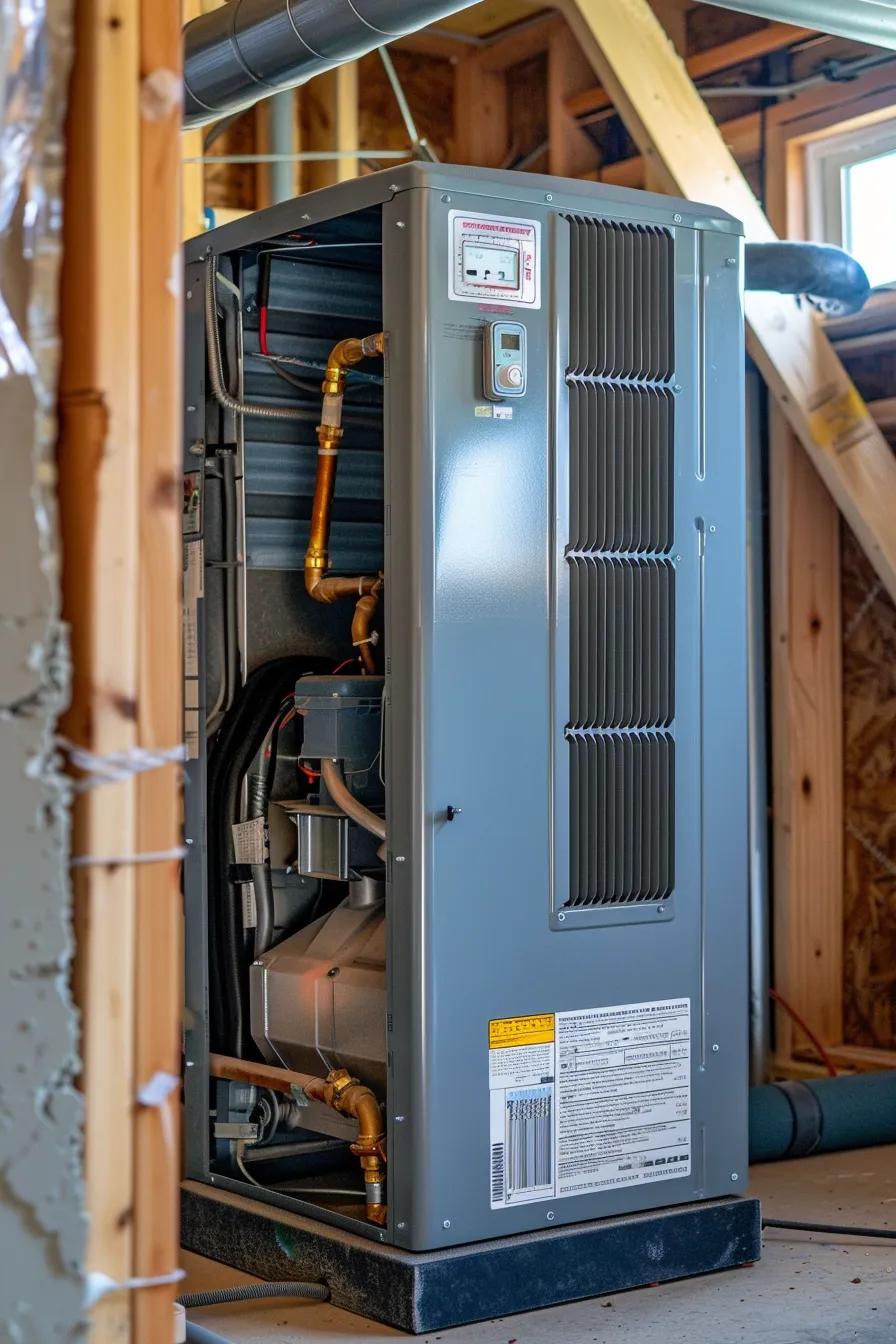
Deciding between repairing and replacing your furnace starts with a straightforward framework that considers several key factors.
Here are the key factors to evaluate when making the repair-versus-replace decision:
- Age of the Unit: Older furnaces naturally lose efficiency over time, making major repairs less valuable.
- Cost of Repair: Assess the estimated repair cost versus the cost of a new, high-efficiency system. An expensive repair on an aging unit often precedes other failures, making it a poor investment.
- Performance Decline: Watch for signs of reduced heat delivery or longer run cycles, which signal the system is struggling.
- Rising Energy Bills: An unexplained increase in heating costs is a clear sign of declining efficiency and poor performance.
- Frequency of Breakdowns: If your unit requires service every year or multiple times per season, the accumulated cost and inconvenience point toward replacement.
- Safety Concerns: Always prioritize safety. Strange odors, yellow pilot flames (instead of blue), or a triggered carbon monoxide alarm demand immediate professional attention and may necessitate replacement.
Mentor’s Homeowners: If your furnace is showing signs of trouble but is still relatively young, quick and dependable furnace repair can restore its function and efficiency.
Ready to determine the best path for your furnace? Contact us today for a repair diagnosis or replacement consultation!
How Does Furnace Age Impact Your Decision?
The age of your furnace is the most important factor in the repair-or-replace decision. As heating systems exceed their typical lifespan, mechanical wear and efficiency loss accelerate. This leads to a pattern of frequent, costly repairs and significantly higher energy bills compared to modern, high-efficiency models. If your unit is past its prime, replacement is generally the smarter, more cost-effective long-term investment for home comfort and budget stability.
Ready to evaluate your system’s life expectancy? Contact us for an estimate today!
What’s the Lifespan of Your Gas or Electric Furnace?
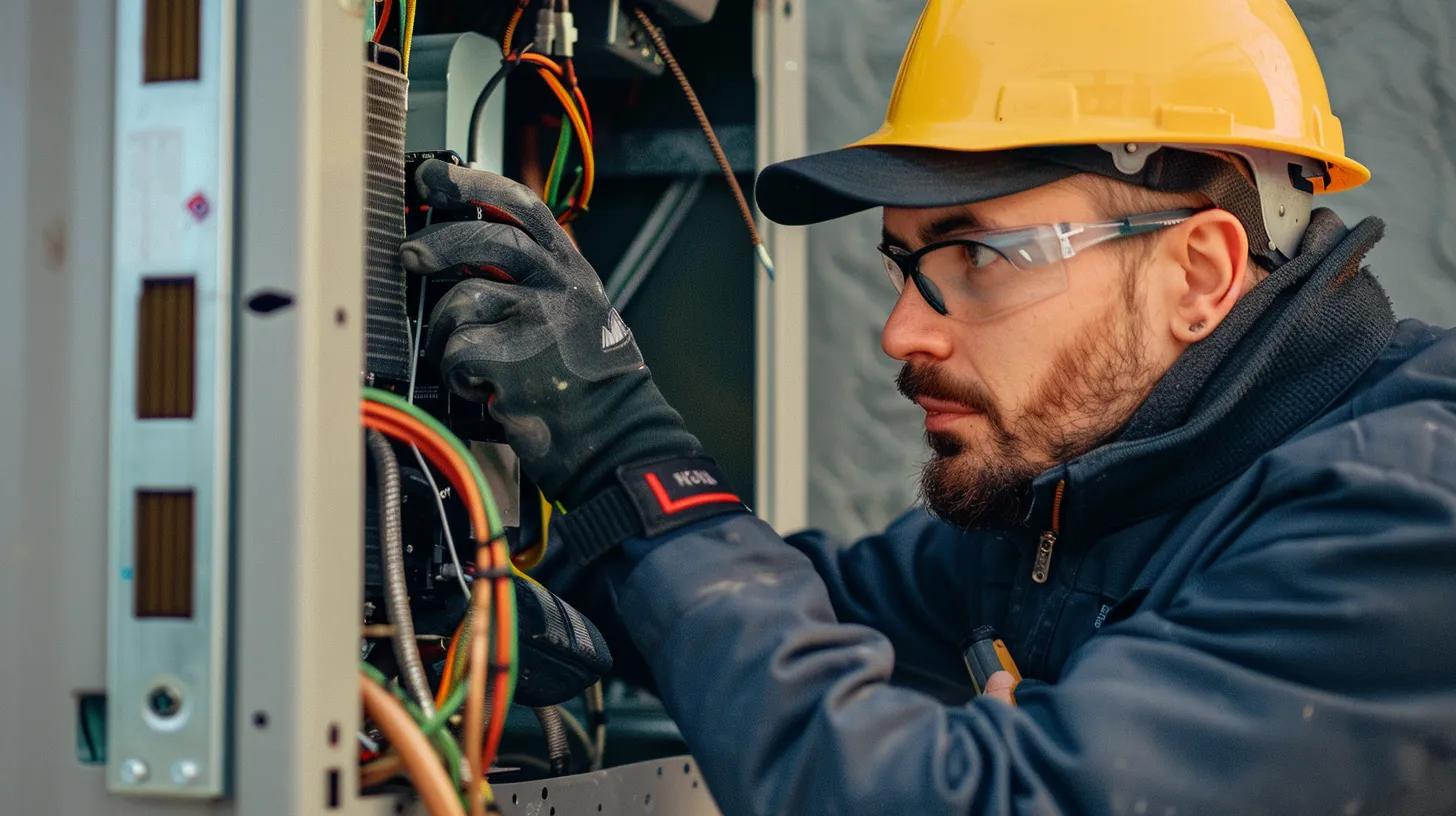
The expected lifespan of your furnace is primarily determined by its fuel type, original quality, and maintenance history.
This table breaks down typical lifespans and essential maintenance practices by fuel type, helping you align repair decisions with realistic longevity expectations for your heating system.
| Furnace Type | Typical Lifespan | Maintenance Tips |
|---|---|---|
| Gas furnace | 15–20 years | Annual combustion inspection, clean burners, heat exchanger check, replace filters seasonally. |
| Electric furnace | 20+ years | Inspect heating coils, clean the blower assembly, secure electrical connections, and replace filters regularly. |
| High-efficiency condensing furnace | 15–20 years | Annual condensate line cleaning, check secondary heat exchanger, and maintain proper venting. |
Regular annual maintenance is essential. Consistent professional tune-ups slow component degradation, significantly extending your unit’s service life and preventing sudden, expensive failures.
For Gas Furnaces, wear from combustion can lead to serious safety issues like heat exchanger corrosion; if cracking is found, replacement is mandatory. For Electric Furnaces, their simpler design often allows targeted, affordable repairs to extend the 20+ year lifespan. Ultimately, neglect dramatically accelerates wear, forcing early replacement in all types of heating systems.
Boost Your Savings: How Furnace Efficiency Affects Your Bills
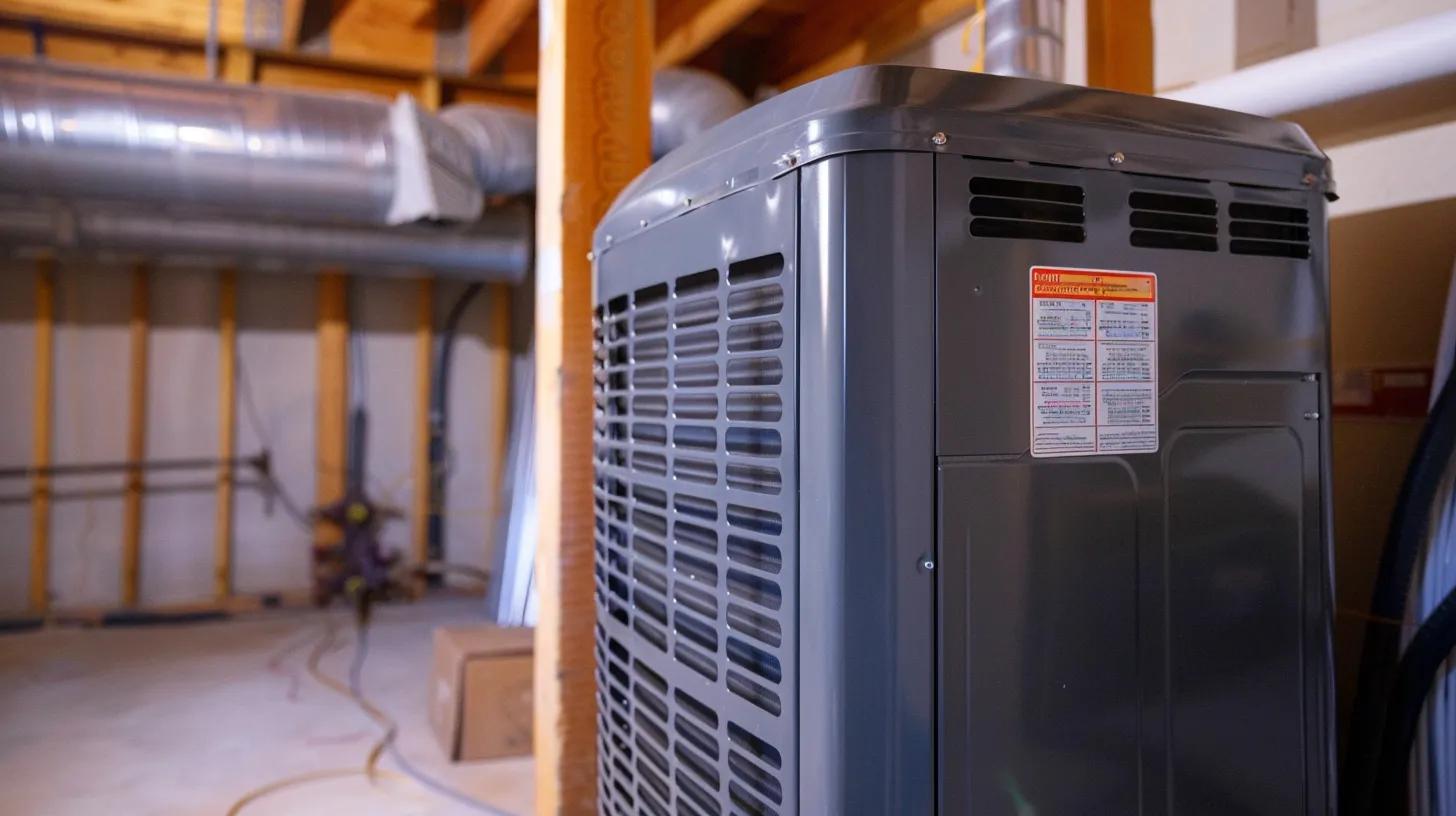
Your furnace’s efficiency directly determines your monthly fuel costs. This efficiency is measured by AFUE (Annual Fuel Utilization Efficiency), the standardized percentage of fuel converted into usable heat for your home.
Beyond AFUE: The Power of Variable Technology
While AFUE measures maximum efficiency, real-world savings often come from variable-speed and modulating technology found in modern furnaces.
- Older Furnaces: They operate at only one speed: 100% full blast (on) or 0% (off). This cycle wastes energy and leads to temperature swings.
- High-Efficiency Systems: They can operate at low speeds (e.g., 40-70%) most of the time. This longer, gentler run time uses less energy, provides much more consistent heat, and significantly increases real-world savings beyond the base AFUE rating.
The Efficiency Gap is Costly
An older furnace with a low AFUE rating (often 70% or less) is essentially wasting one-quarter to one-third of the fuel you purchase as exhaust. This energy waste translates directly to unnecessarily high monthly bills.
| System Type | Typical AFUE | Operation Style | Cost Impact |
|---|---|---|---|
| Older Units | 60% – 75% | Single-Stage (Always 100%) | Highest monthly fuel consumption |
| Modern High-Efficiency | 90% – 98% | Modulating / Variable Speed | Significant savings and lower annual bills |
The Long-Term Financial Win
Upgrading is a powerful financial move. A high-efficiency replacement significantly reduces your annual fuel consumption, leading to multi-year cumulative savings that quickly offset the initial installation cost. Your new furnace works smarter, minimizing wasted energy and improving the long-term cost-to-own your system.
Ready to stop paying to heat the outdoors?
Find out exactly how much you can save! Click here to schedule a High-Efficiency Savings Consultation and get an estimate of your potential annual fuel reduction.
Need a Fast Repair?
If your existing furnace is showing trouble but is still relatively young, quick and dependable furnace repair can restore its function and efficiency, saving you from a premature replacement.
Safety First: When to Replace Your Furnace Immediately in Mentor, Ohio
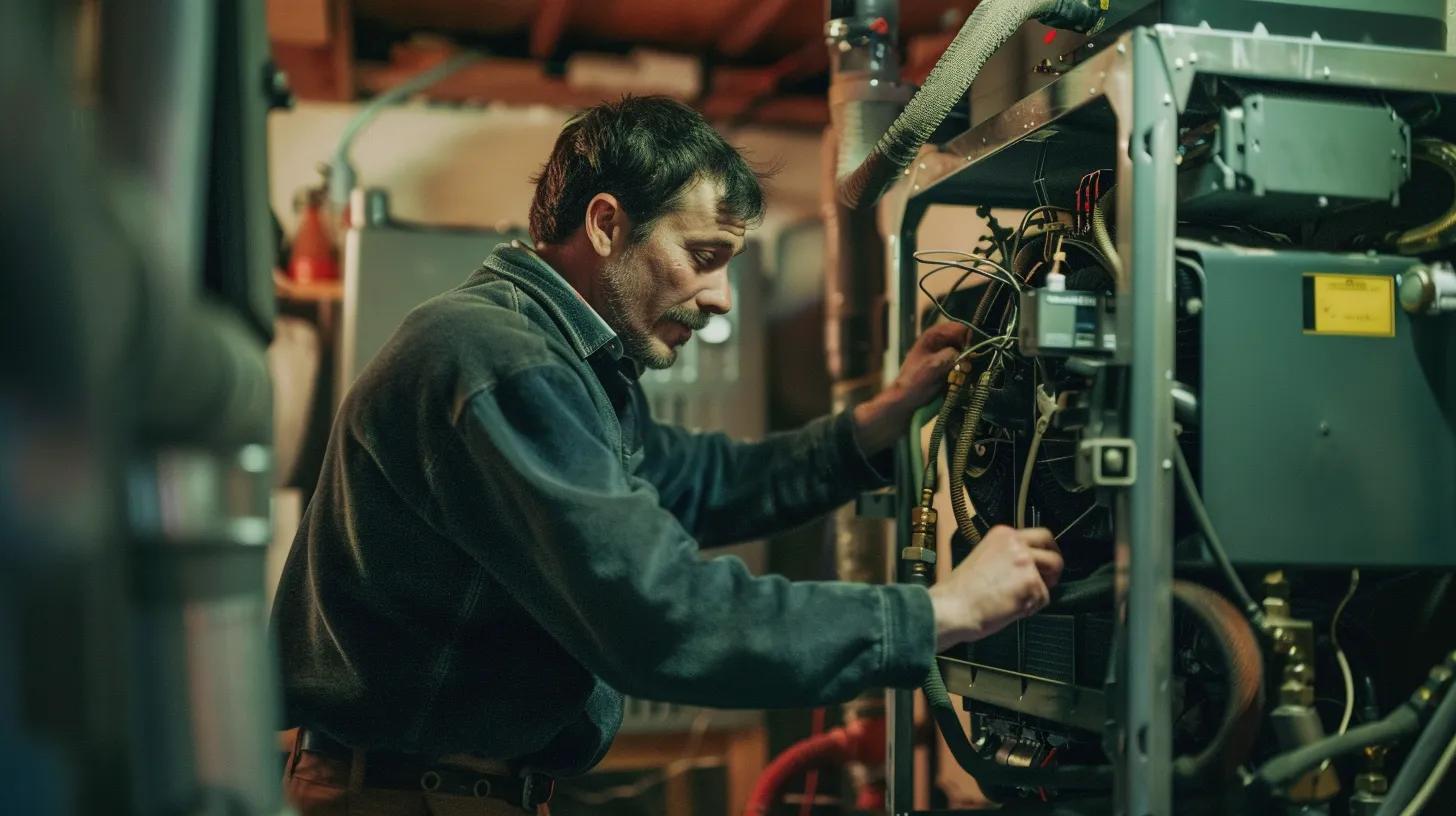
Certain safety conditions demand immediate action and replacement due to the severe risks they pose. These are not issues to delay or attempt to patch up. Your family’s well-being is our absolute top priority.
Immediate Danger Signals (Red Flags)
If you notice any of the following signs, shut off your furnace (if safe), and contact emergency service immediately:
- Carbon Monoxide (CO) Alarms: Any sounding of a CO detector. This colorless, odorless gas is deadly.
- Strong Gas Smell: An obvious smell of sulfur or rotten eggs near the furnace.
- Cracked Heat Exchanger: Clear visual evidence or a professional diagnosis of a crack. This allows deadly combustion gases to enter your home’s air supply.
- Flame Color: A persistent yellow or orange flame instead of a crisp, steady blue flame. This indicates incomplete, unsafe combustion.
- Visible Soot/Rust: Heavy soot buildup or excessive rust on the furnace cabinet or inside the burner compartment.
CO Leaks & The Cracked Heat Exchanger
A cracked heat exchanger is the most critical furnace failure. It creates a path for deadly combustion gases, including carbon monoxide, to mix with the warm air distributed through your vents.
| Symptoms of Exposure | Furnace Condition | Recommended Action |
|---|---|---|
| Physical symptoms: headaches, nausea, dizziness, or flu-like symptoms that only occur indoors | Cracked Heat Exchanger Detected | Immediate Replacement. Temporary repair is not safe or code-compliant. |
| Action Plan: | Shut off the furnace, evacuate, and call for emergency service | We recommend replacement to eliminate the CO source and restore combustion integrity. |
The Practical Trigger: Frequent Breakdowns
Beyond immediate danger, the frequency of failure signals it’s time to replace.
- Watch For: More than two major repairs in a single heating season or recurring failures of different system components.
- Impact: This indicates a severe decline in reliability and a rising total cost of ownership. Keeping a simple repair log helps you compare the cumulative repair expense against the cost of a new, reliable system.
Is your furnace displaying safety warnings or failing frequently?
CTA (Emergency Safety Check): Don’t risk it. Click here for immediate safety inspection and emergency furnace repair service!
Emergency Service Now! Don’t Wait!
Repair or Replace: When to Make the Call with Confidence
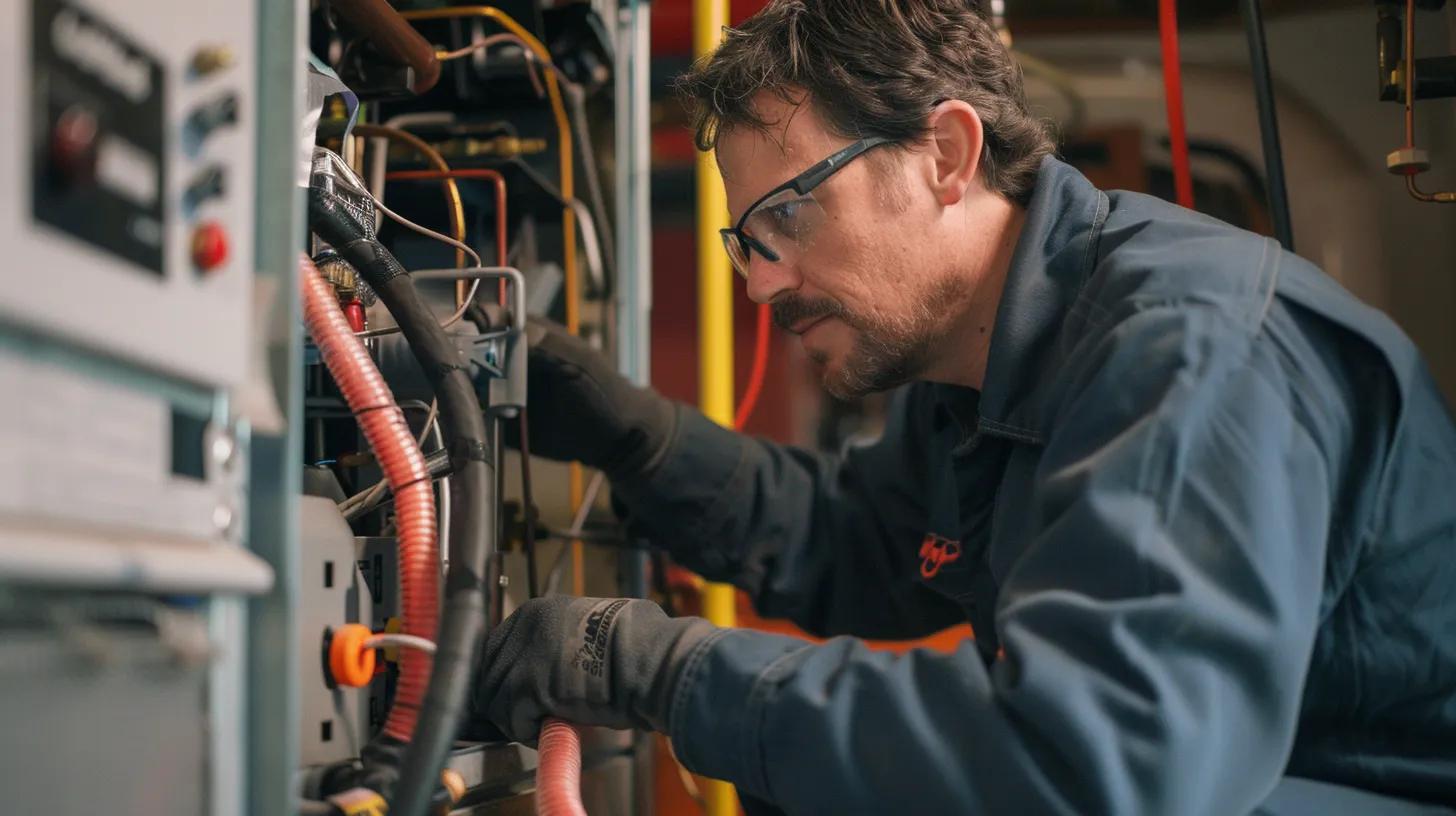
Choosing between repair and replacement ultimately depends on specific scenarios that weigh cost, age, safety, and performance. Framing these as clear rules of thumb helps you act decisively and avoid costly mistakes. Repairs are typically favored when your furnace is relatively new, the needed work is inexpensive, the issue is isolated, or the unit is covered by an active warranty.
Replacement is generally preferable when your furnace is old, when significant safety issues exist, when repeated major repairs have occurred, or when replacement offers substantial efficiency gains with a reasonable payback period. Our experts can help you navigate these considerations.
When Does Repair Make the Most Sense?
Repair often makes sense in several common situations, especially when the problem is minor and the unit still has many years of life left. These include:
- A single, inexpensive part fails (e.g., a flame sensor, igniter, or capacitor).
- Your unit is still under an active manufacturer’s or installer’s warranty, covering parts and/or labor.
- The furnace is less than roughly 10–12 years old.
- The repair restores full performance and efficiency at a low cost, without indicating deeper systemic issues.
Examples include replacing a faulty flame sensor, cleaning or replacing a clogged filter, recalibrating the thermostat, or swapping an igniter on a relatively new unit. In these scenarios, the repair provides immediate, cost-effective restoration of comfort without the disruption and expense of a full replacement. Keeping an annual maintenance plan minimizes these repair needs and supports the decision to keep a serviceable unit in operation for as long as possible.
When Is Replacement Your Best Bet?
Replacement becomes the best and most prudent option when the risks and costs of continued repairs outweigh the benefits. This is often the case when:
- Your furnace is beyond its expected lifespan (15-20 years for gas, 20+ for electric) and showing signs of decline.
- A cracked heat exchanger or persistent carbon monoxide risk is present, making the unit unsafe.
- Multiple major components fail within a short timeframe, indicating systemic wear and tear.
- Upgrading to a high-efficiency unit delivers a short payback period through significant energy savings, making it a smart financial move.
- Parts for your older model are scarce or discontinued, making repairs difficult and expensive, or repeated control-board failures occur.
Replacing a failing furnace can significantly reduce emergency calls, eliminate safety risks, and lower operating costs through improved AFUE. Understanding these scenarios helps homeowners avoid throwing good money after bad on repeated, temporary repairs and instead invest in lasting comfort and peace of mind.
Stay Warm and Worry-Free with Buckeye Comfort Solutions in Mentor, Ohio
Winter in Mentor, Ohio, waits for no one, and a failing furnace can quickly turn cozy evenings into chilly discomfort. Whether you’re deciding between repair and replacement, tracking warning signs, or upgrading to a high-efficiency system, taking action early saves both money and stress.
At Buckeye Comfort Solutions, our skilled technicians are ready to keep your Mentor home safe, warm, and energy-efficient all season long. Don’t wait for an emergency to strike.
Schedule your furnace inspection, repair, or replacement today and enjoy reliable winter comfort with a trusted local team.


