 Skip to content


Winter can put extra demand on electrical systems in Mentor, OH, especially as temperatures drop, furnaces run longer, and homeowners rely more heavily on space heaters, lighting, and indoor appliances. Older homes, established neighborhoods, and newer properties can each have different electrical needs depending on the age and condition of their wiring and equipment.
Fall is a practical time for Mentor homeowners to address electrical issues before sustained cold weather arrives. Instead of assuming a panel upgrade or rewiring is necessary, start by checking the circuits, outlets, smoke and carbon monoxide alarms, and other safety equipment that will handle increased winter use. Keep reading to learn which electrical improvements are worth handling before winter, what homeowners can safely check themselves, and when an electrician should evaluate the system.
What Electrical Work Should You Handle Before Winter?
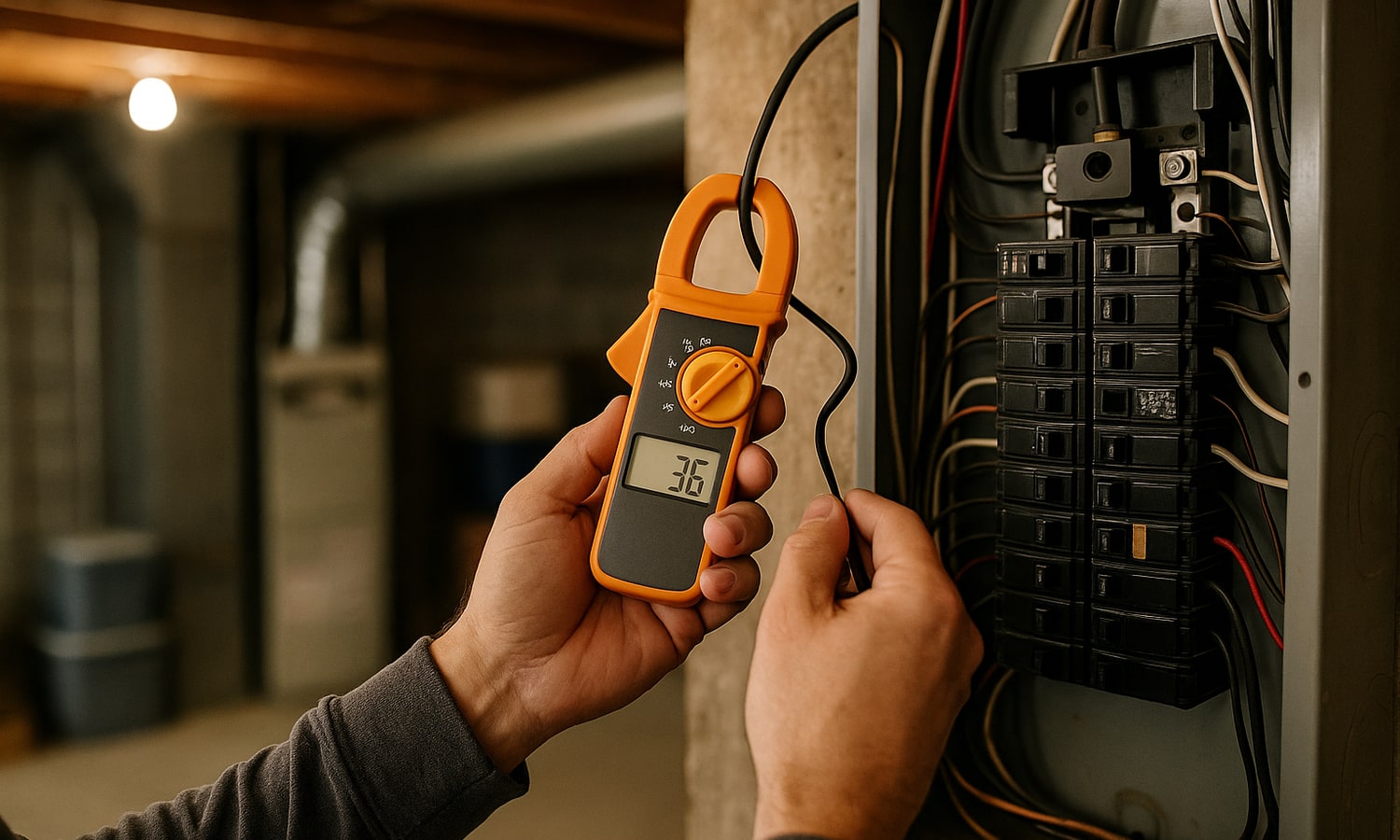
The most useful pre-winter electrical work depends on how your Mentor home is wired and what equipment you use. For many homeowners, the following areas deserve attention before heating and holiday loads increase.
| Electrical Work | What It Addresses Before Winter |
|---|---|
| Add Outlets | Provides properly located power where space heaters, lighting, or electronics are regularly used instead of relying on extension cords. |
| Whole-Home Surge Protection | Helps protect connected household electronics from electrical surges associated with power interruptions and restoration. |
| Smoke Detector Repair and Replacement | Makes sure smoke detection equipment is functioning properly as the home enters the heating season. |
| Outdoor and Landscape Lighting | Improves visibility around entrances, walkways, driveways, and other areas used during shorter winter days. |
| Ceiling Fan Replacement and Installation | Addresses damaged or outdated ceiling fans as part of broader electrical improvements around the home. |
Not every homeowner needs all five services. The right place to start is with anything that is already showing a problem or anything your household will rely on more heavily during winter.
How Do Winter Heating Loads Affect Your Home’s Circuits?
Winter can stack electrical demand in ways that are easy to overlook. A furnace may operate for long periods while a space heater, holiday lights, kitchen appliances, and electronics are being used elsewhere in the home.
A typical 1,500-watt space heater draws about 12.5 amps on a 120-volt circuit. On a standard 15-amp circuit, that leaves little capacity for other equipment already connected to the same circuit.
That is why a breaker that rarely trips during mild weather may start shutting off when temperatures fall. The breaker may be responding to the combined electrical load rather than indicating that the breaker itself is defective.
Furnace Circuits Deserve Attention
A furnace still relies on electricity even when the home uses gas as its primary heating fuel. The blower motor, controls, ignition components, thermostat, and other electrical parts all need reliable power.
If the furnace breaker trips repeatedly, do not assume the panel needs to be upgraded. Possible causes include:
- The furnace may have an electrical or motor problem: A failing blower motor or another equipment fault can increase electrical demand and cause the breaker to trip.
- The circuit may already carry additional loads: Other equipment connected to the same circuit can push the total demand beyond what the circuit is designed to handle.
- A connection or wiring problem may be present: Loose or damaged electrical connections can create heat and unreliable operation.
- The breaker itself may need evaluation: A qualified electrician can determine whether the protective device is functioning correctly.
This is where HVAC and electrical diagnosis can overlap. A furnace that trips a breaker should be evaluated based on the actual cause rather than simply replacing the breaker and putting the equipment back into service.
Do You Need Additional Outlets Before Winter?
Winter often exposes an inconvenient electrical layout. A bedroom may need a space heater, the living room may have several holiday decorations, and a basement or garage may see more use, even though the home has only a few conveniently located receptacles.
If you regularly run extension cords because an outlet is too far away, consider whether the home needs an additional properly installed receptacle. The electrician should evaluate the existing circuit before adding the outlet because adding a receptacle does not increase the capacity of that circuit.
Before installing an outlet, the electrician can determine:
- Which circuit currently serves the area and what other loads are connected to it.
- How much additional demand the circuit can handle based on its design and existing load.
- Whether the new receptacle needs specific protection based on its location and intended use.
- Whether a new dedicated circuit is more appropriate than adding another outlet to an existing one.
For homeowners who need more convenient power in a bedroom, basement, garage, or another frequently used area, Buckeye’s Add Outlets service can address the electrical layout while taking the existing circuit into consideration.
Why Should You Avoid Making Extension Cords a Permanent Solution?
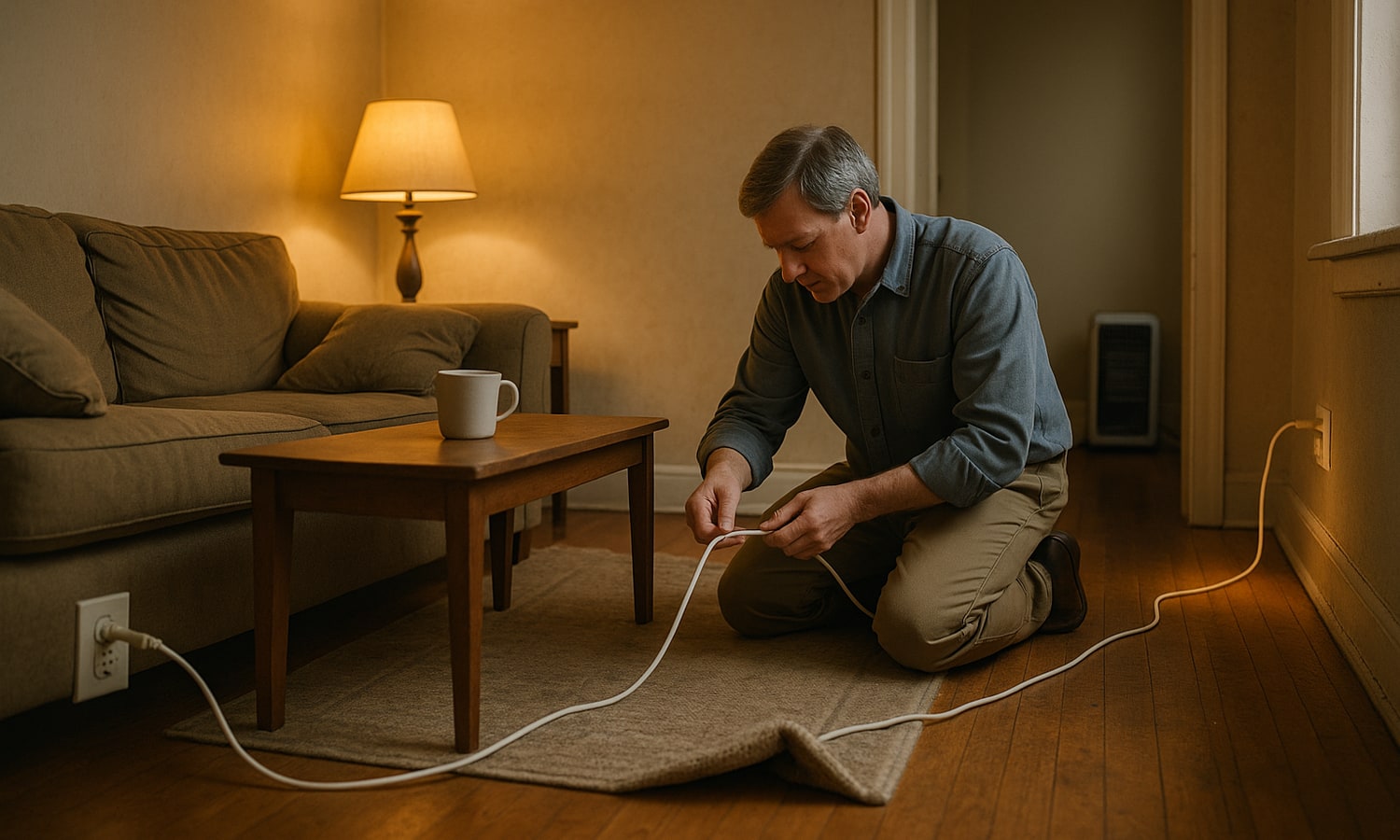
An extension cord can solve a temporary problem, but it should not become the permanent way a high-use appliance receives power. Before winter, look at where cords are being used and ask whether the arrangement creates a recurring problem. Pay particular attention when cords are:
- Used with high-wattage heating equipment: Portable space heaters draw substantial current and should not rely on an extension cord as a permanent power source.
- Run through walkways or under rugs: This can create both electrical and physical hazards, particularly in areas where people move frequently.
- Connected to multiple devices: Using one cord or power strip for several substantial loads can increase the demand on the receptacle and circuit.
- Showing damaged insulation or plugs: Cuts, exposed conductors, loose plugs, or heat damage are reasons to stop using the cord.
- Needed in the same location every winter: A recurring need for power may indicate that the room would benefit from a properly installed outlet.
The solution is not simply to add more extension cords. If the electrical layout no longer matches how you use the room, a professional outlet installation can provide a safer, more permanent arrangement.
Should You Install Whole-Home Surge Protection Before Winter?
Winter weather can bring power interruptions and fluctuations that affect electronics connected throughout the home. A furnace, refrigerator, computers, televisions, networking equipment, and other appliances may remain connected even when you are not actively using them.
A whole-home surge protection system is installed at the electrical service to provide broader protection than a plug-in surge protector designed for one device.
It may be worth considering if your home contains:
- Multiple sensitive electronic devices: Computers, networking equipment, televisions, and smart-home systems can remain connected around the clock.
- Expensive appliances and equipment: A surge-protection system can provide an additional layer of protection for connected household equipment.
- Equipment that must remain operational: Protecting electrical equipment becomes particularly useful when the home depends on it during winter.
- A history of power interruptions: Frequent outages or power restoration events may be a reason to discuss surge protection with an electrician.
Surge protection does not correct faulty wiring, overloaded circuits, or a deteriorating electrical panel. Those conditions still require separate inspection and repair.
For homeowners considering additional protection before winter, Buckeye’s Whole Home Surge Protection service can be evaluated as part of the home’s overall electrical setup.
Are Your Smoke and Carbon Monoxide Alarms Ready for Heating Season?
Fall is also a good time to check smoke and carbon monoxide alarms before the home enters its main heating season. Furnaces, fireplaces, and other fuel-burning equipment make working alarms an important part of winter preparation.
Walk through the home and check each alarm according to the manufacturer’s instructions. Pay particular attention to devices that:
- Do not respond properly to the test button: A detector that fails its basic test should not be relied on for winter.
- Produce repeated warning signals: Persistent chirping or fault indicators may point to a battery, power, device, or replacement issue.
- Show physical damage: Cracked housings or other visible damage can affect reliable operation.
- Are reaching their manufacturer’s replacement period: Smoke detectors do not last indefinitely, even when they appear to work.
- Are affected by renovations or layout changes: Changes to rooms or the home’s configuration may warrant a professional review of detector placement and interconnection.
Homeowners can use the built-in test function on their detectors. Electrical connections, replacement work, and questions involving the home’s wiring should be handled by a qualified professional.
If an alarm is damaged, malfunctioning, or due for replacement, Buckeye provides smoke detector repair and replacement and can also address combination smoke and carbon monoxide detectors.
What Other Electrical Improvements Are Worth Handling Before Winter?
Not every worthwhile electrical project is directly related to heating loads. Shorter winter days also change how homeowners use the outside of the property.
Outdoor lighting can become more important around:
- Front entrances and steps: Better illumination can make evening entry easier when daylight disappears earlier.
- Driveways and walkways: Lighting can help homeowners see the route between the street, driveway, garage, and house.
- Garage entrances: Additional lighting can make evening arrivals and departures more convenient.
- Frequently used outdoor areas: Landscape and exterior lighting can improve visibility around areas that are still used after sunset.
If existing fixtures are unreliable, damaged, or poorly positioned, fall is a practical time to address them before snow and ice become regular conditions. Buckeye’s Outdoor and Landscape Lighting service can address new or replacement lighting based on the home’s existing electrical setup.
Ceiling fans are a lower-priority winter project, but replacement can make sense if a fan is damaged, outdated, or no longer operating properly. Handling that work alongside other planned electrical improvements can be more convenient than waiting until the issue becomes a larger household project.
How Should You Prioritize Electrical Work Before Winter?
Not every electrical improvement needs to be completed at the same time. For most Mentor homeowners, the best approach is to address safety concerns first, then electrical capacity and convenience upgrades.
A practical priority list looks like this:
- Address active electrical warning signs. Repeated breaker trips, warm outlets, burning odors, buzzing, or visible damage should be evaluated before winter loads increase.
- Check circuits serving heating equipment. A furnace that repeatedly trips its breaker or shows electrical symptoms should be evaluated before the equipment is needed continuously.
- Add outlets where the existing layout creates problems. If you regularly depend on extension cords for space heaters, holiday lighting, or other equipment, professional outlet installation may provide a better long-term solution.
- Check smoke detectors and protective devices. Test smoke detectors and GFCI protection, and have malfunctioning devices repaired or replaced before the heating season.
- Consider whole-home surge protection. If your home has sensitive electronics or has experienced power interruptions, an electrician can determine whether whole-home surge protection is appropriate.
- Address exterior electrical needs. With shorter daylight hours, unreliable or inadequate outdoor lighting can become more noticeable. Fall is a practical time to handle outdoor and landscape lighting before snow and ice arrive.
This approach keeps the focus on work that has a clear purpose. A homeowner with a newer electrical system and no warning signs may need only routine checks, while an older home with recurring electrical problems may need a more detailed evaluation.
Why Choose Buckeye Comfort Solutions for Electrical Services in Mentor?
Winter preparation is not about adding electrical equipment simply because the season is changing. It is about making sure the electrical system can safely support the way your household will use it, while addressing problems that could become more disruptive once temperatures drop.
Buckeye Comfort Solutions provides electrical services for Mentor homeowners, including adding outlets, whole-home surge protection, and smoke detector repair and replacement. We can also help with outdoor and landscape lighting and other electrical concerns that affect your home’s safety and convenience.
If your home has been tripping breakers, relying heavily on extension cords, showing electrical warning signs, or simply needs a few improvements before winter, fall is a good time to address them. Call 440-664-2827 to discuss the electrical work your Mentor home may need before winter arrives.
Frequently Asked Questions
What should I have an electrician check before winter?
Have an electrician evaluate any recurring breaker trips, warm or damaged outlets, unusual electrical odors, buzzing, or concerns with circuits serving heating equipment. You can also discuss outlet additions, surge protection, smoke and carbon monoxide alarm replacement, and other improvements that fit your home’s needs.
Can a 1,500-watt space heater overload a circuit?
It can. A typical 1,500-watt heater draws about 12.5 amps at 120 volts, which leaves limited capacity on a standard 15-amp circuit for other loads. If a breaker repeatedly trips when a heater operates, have the circuit and connected equipment evaluated rather than repeatedly resetting the breaker.
Does an older electrical panel automatically need replacement?
No. Panel age alone does not determine whether replacement is necessary. An electrician should consider the panel’s condition, available capacity, existing electrical loads, and any planned additions before recommending an upgrade.
Is whole-home surge protection worth considering before winter?
It can be useful for homes with sensitive electronics, expensive appliances, or a history of power interruptions. A qualified electrician can assess the home’s electrical service and determine whether whole-home surge protection is appropriate.
When should I handle electrical work before winter?
Fall is a practical time to address known electrical problems and planned improvements before heating equipment and other seasonal loads increase demand. If you already have a warm outlet, repeated breaker trips, damaged wiring, or a malfunctioning smoke or carbon monoxide alarm, do not wait for colder weather to address it.


