 Skip to content


Your AC may have kept your Mentor, OH, home comfortable through weeks of summer heat, but that does not necessarily mean it is ready for another cooling season without an inspection. By late summer, months of cooling cycles can reveal problems that were easy to overlook, such as weaker airflow, longer run times, drainage issues, unusual noises, or rooms that never seemed to cool evenly.
That creates an important timing question: is it better to service the system now after summer or wait until spring? There is no single answer for every home. The right choice depends on how your AC performed, whether you noticed changes during the cooling season, and the condition and age of the equipment.
If you are unsure which timing makes sense for your AC, keep reading. We will explain the signs that make post-summer service worthwhile, when waiting until spring may be reasonable, what an end-of-season inspection should cover, and how to decide what makes sense for your Mentor home.
Why Consider AC Service After Summer?
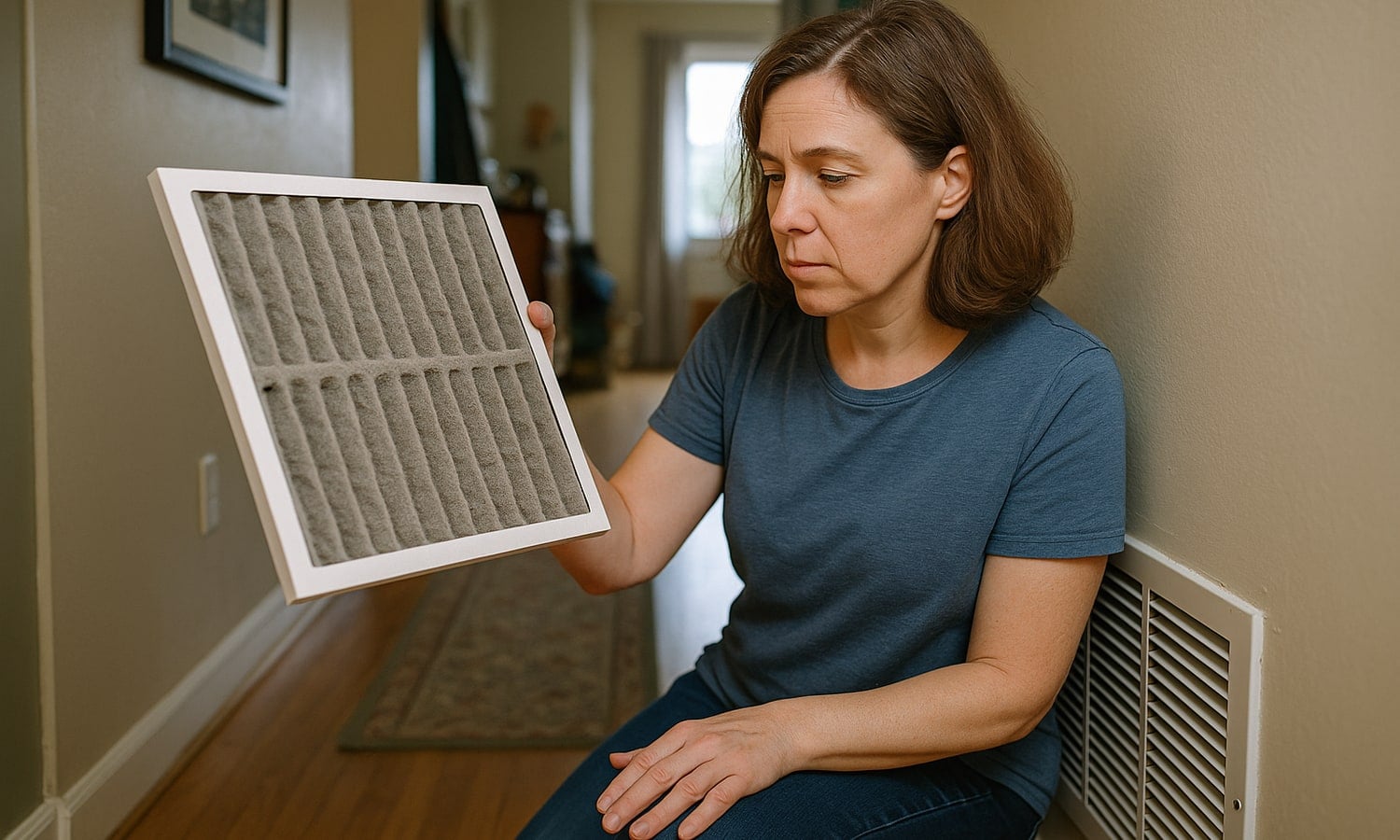
Mentor homeowners put their air conditioners through a demanding stretch of cooling and humidity during summer. Northeast Ohio can still stay warm and humid into late summer, so the system may continue working hard well beyond the hottest part of the season. After months of operation, the end of summer is a practical time to look at how the system performed.
Fall service also lets you address problems while they are still easy to identify. If your AC struggled to cool certain rooms, developed unusual noises, ran longer than usual, or had drainage or airflow problems, waiting until spring can leave those issues unresolved through the entire off-season.
For Mentor homeowners whose systems completed summer without major problems, post-season maintenance can also provide a useful baseline before the next cooling season. A professional AC maintenance and tune-up can check the system’s condition and help you decide whether any repair should be handled now or whether routine spring maintenance is sufficient.
What Signs Mean Your AC Should Be Serviced Now?
The end of summer is a good time to look back at how your AC actually performed rather than simply following a calendar. A system that needed longer cycles, struggled with certain rooms, or developed new operating problems may be telling you that something needs attention before next cooling season.
Look for these six signs:
- Some Rooms Stayed Warmer Than the Rest
Uneven cooling can point to airflow restrictions, duct problems, or equipment performance issues.
- Your AC Started Running Longer to Reach the Set Temperature
Longer cycles can indicate reduced capacity, airflow problems, or other developing system issues.
- You Noticed Ice on the Indoor Coil or Refrigerant Lines
Ice can develop when airflow or refrigerant conditions prevent the system from operating properly.
- Water Appeared Around the Indoor Unit or Drain Area
Unexpected water can indicate condensate drainage problems that should be investigated before next summer.
- The System Developed New Buzzing, Rattling, or Grinding Sounds
Changes in operating noise can indicate worn components that may become more troublesome over time.
- Cooling Costs Increased Without a Major Change in Usage
Higher bills combined with weaker performance can justify checking airflow, equipment condition, and system operation.
One of these signs does not automatically mean your air conditioner needs a major repair or replacement. However, recurring symptoms are worth having evaluated while you still remember when and how they occurred during the summer.
When Does Waiting Until Spring Make Sense?
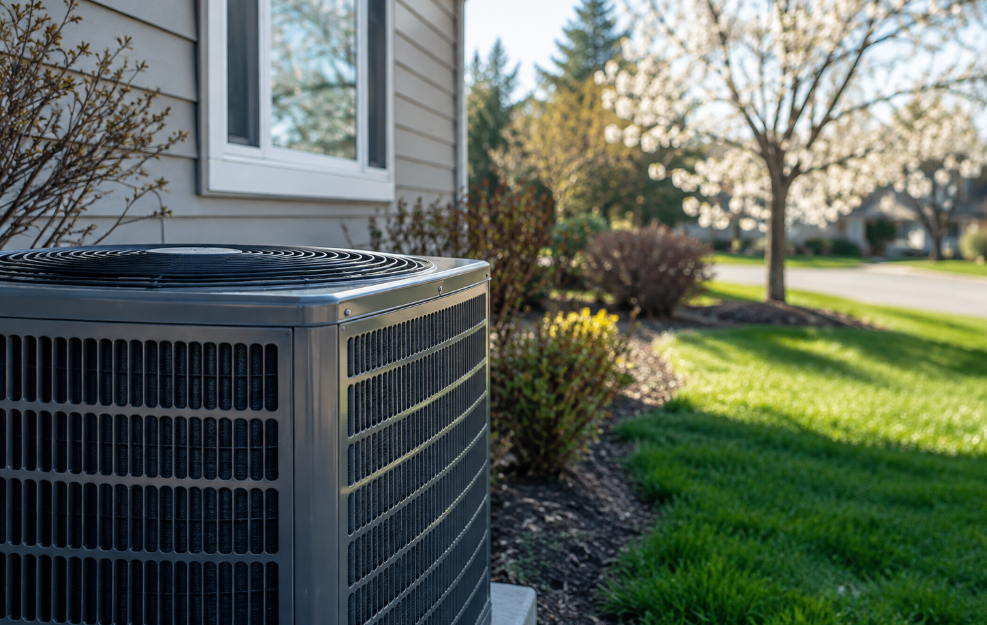
Waiting until spring can make sense when your AC is relatively new, has been maintained consistently, and completed the Mentor cooling season without noticeable performance changes. If your home stayed comfortable, airflow remained steady, and the system did not develop unusual noises, leaks, icing, or repeated cycling, you may simply be due for your normal pre-season maintenance.
A Newer, Well-Maintained System
A newer AC with a documented maintenance history generally gives homeowners more flexibility with service timing. If it operated normally throughout the summer, there is less reason to schedule an additional visit solely because the cooling season has ended.
Spring Service Before Cooling Demand Returns
Spring maintenance allows a technician to check the system before regular cooling begins again. In Mentor, where late-summer conditions can still bring warm temperatures and noticeable humidity, checking the AC before the next cooling season helps ensure any developing issue is identified before the equipment is under heavy demand.
The situation changes if you already know something was wrong. A system that struggled with airflow, took unusually long to cool the house, developed drainage problems, or began making new noises should not automatically be pushed to spring. Those symptoms provide useful diagnostic information, and addressing them sooner can give you more time to decide between a repair, continued maintenance, or eventual replacement.
What Should an End-of-Summer AC Service Include?
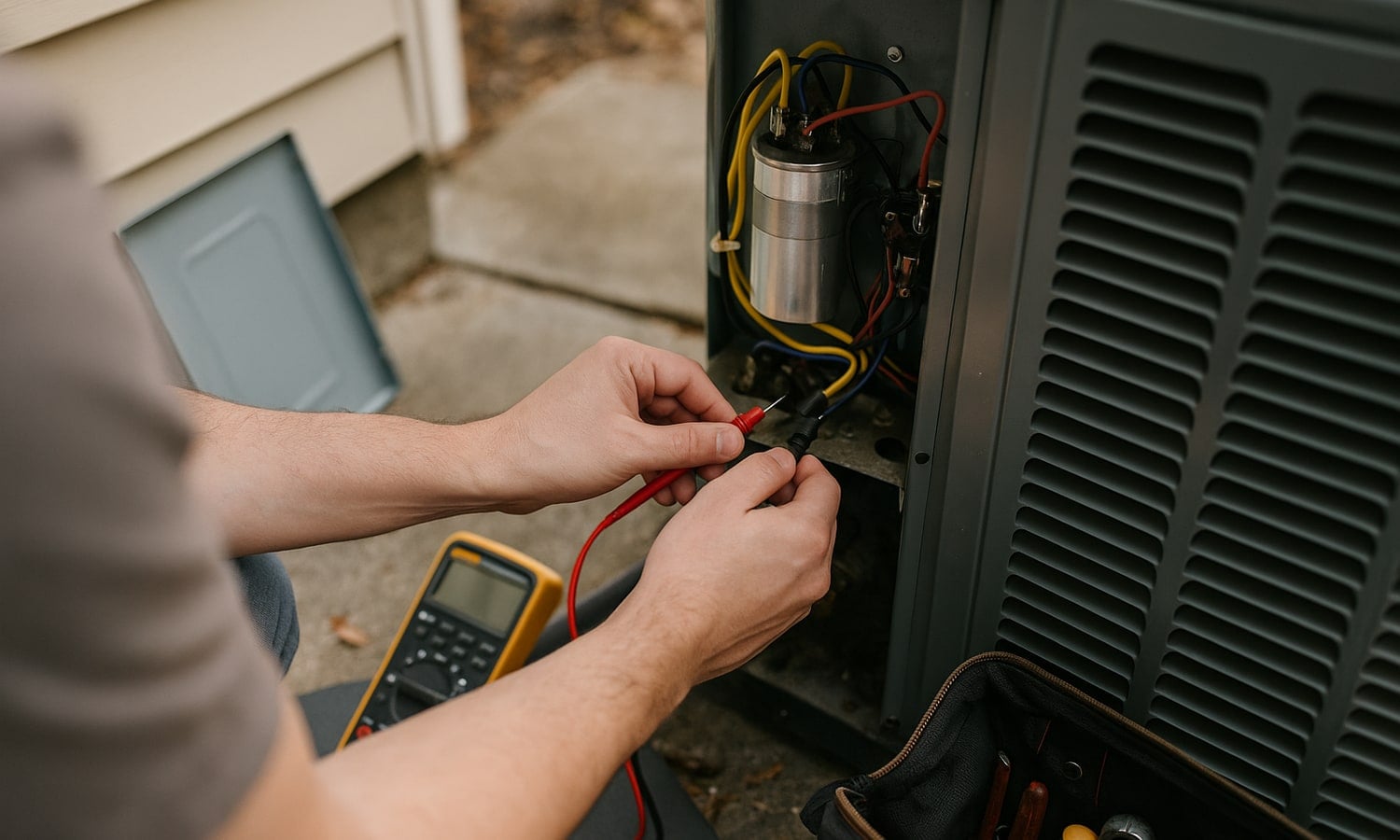
Post-summer service should focus on the components that affect cooling performance, electrical operation, airflow, and condensate removal. The goal is to determine whether the system finished the cooling season in good operating condition and whether anything needs attention before it sits unused.
A professional inspection may include:
| Area | What Is Evaluated |
|---|---|
| Electrical components | Connections, capacitors, contactors, and other electrical components |
| Condenser | Outdoor coil condition, debris, fan operation, and heat rejection |
| Evaporator coil | Dirt buildup, drainage, and heat-transfer condition |
| Airflow | Filter condition, blower operation, and potential restrictions |
| Refrigerant system | Operating condition and signs of refrigerant problems |
| Condensate system | Drainage, blockages, and signs of water problems |
| Overall operation | Cycling, cooling performance, and unusual system behavior |
The inspection should also account for anything you noticed during the summer. Telling the technician which rooms were uncomfortable, when noises occurred, or whether the system began running longer can make the evaluation more useful.
Fall vs. Spring: Which Timing Fits Your AC?
There is no universal requirement that every homeowner service an AC immediately after summer. The better timing depends on the system’s condition and what happened during the previous cooling season.
| Your Situation | Timing to Consider |
|---|---|
| AC worked normally all summer | Spring maintenance may be reasonable |
| AC had weak airflow | Service after summer is worth considering |
| Cooling became inconsistent | Have the system evaluated |
| AC made new or unusual noises | Do not wait solely because summer is over |
| System had drainage or icing problems | Professional evaluation is appropriate |
| Older system with recurring issues | Post-summer inspection can help with planning |
| System is newer and well maintained | Follow your normal maintenance schedule |
If you prefer a structured approach rather than remembering service dates yourself, Buckeye Comfort Solutions also offers HVAC maintenance plans with seasonal maintenance options.
Why Choose Buckeye Comfort Solutions for AC Maintenance in Mentor, OH?
Knowing whether your AC should be serviced after summer or before spring starts with understanding how it performed during the cooling season. Buckeye Comfort Solutions provides professional AC maintenance and tune-up services in Mentor, with 11+ years of HVAC experience and licensed technicians who can evaluate the system and identify issues that may affect its next cooling season.
Our team focuses on the components that influence reliable cooling, including airflow, coils, electrical connections, drainage, and overall system operation. We are available 24/7, so if a cooling problem develops outside normal business hours, you do not have to wait until the next day to get help.
If your AC struggled during the summer, schedule professional AC maintenance in Mentor to determine whether it needs attention before spring. For homeowners who want to stay ahead of seasonal maintenance, our HVAC maintenance plans provide a structured way to keep your system on schedule.
Frequently Asked Questions
Should I service my air conditioner every fall?
Not necessarily. The appropriate timing depends on the equipment, its maintenance history, and how it performed during the summer. If your AC showed problems, fall service can make sense. If it operated normally and is already maintained on a regular schedule, spring service may be sufficient.
Is spring the best time to maintain an air conditioner?
Spring is a common time for AC maintenance because it allows the system to be checked before regular cooling begins. However, spring is not automatically better if your AC developed problems during the previous summer. Known issues should be evaluated rather than postponed simply because the cooling season has ended.
What happens if I wait until spring to service my AC?
If the system is operating normally, waiting may not cause a problem. The concern is that a developing issue can remain unnoticed during the off-season and become a failure when cooling demand returns. Pay attention to any symptoms from the previous summer before deciding to wait.
Should an older AC be serviced after summer?
An older AC that has completed another summer may benefit from an inspection, especially if it experienced repeated repairs, inconsistent cooling, unusual noises, or rising operating costs. A post-summer evaluation can help you understand the system’s condition and plan future repairs or replacement without waiting for an emergency.
How often should I have my AC professionally maintained?
Regular maintenance is generally scheduled at least once a year for cooling equipment, with many HVAC maintenance programs using seasonal visits. The appropriate schedule can vary based on the system, usage, age, and manufacturer recommendations. Your service history can help determine whether spring, fall, or twice-yearly maintenance makes sense.


