 Skip to content

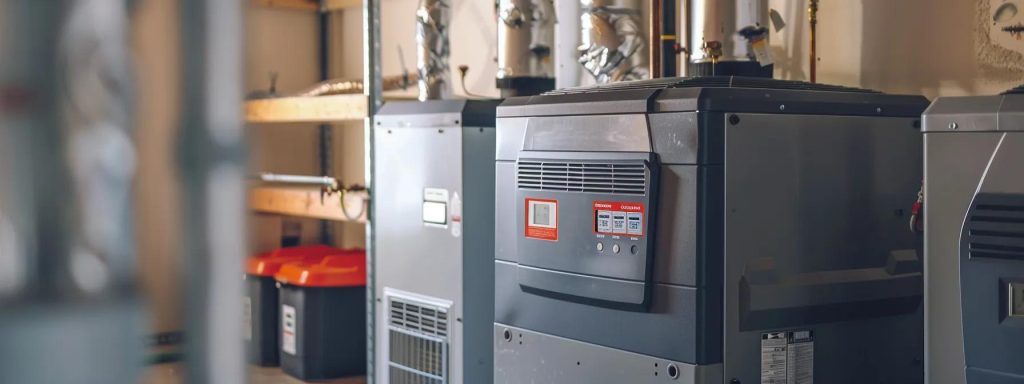
7 Warning Signs Your Furnace Needs Repair or Replacement This Winter Season
As the chill of winter settles over Ohio, your furnace becomes the unsung hero of your home, working tirelessly to keep your family warm and comfortable. But what happens when your hero starts showing signs of fatigue? Recognizing early warning signs of furnace trouble isn’t just about avoiding a chilly night; it’s about preventing safety hazards, skyrocketing energy bills, and inconvenient emergency breakdowns. This comprehensive guide from Buckeye Comfort Solutions will walk you through seven clear indicators that your furnace might be crying out for help, empowering you to diagnose potential issues and take the right next steps for a warm, safe winter.
1. Strange Noises: When Your Furnace Starts Talking Back
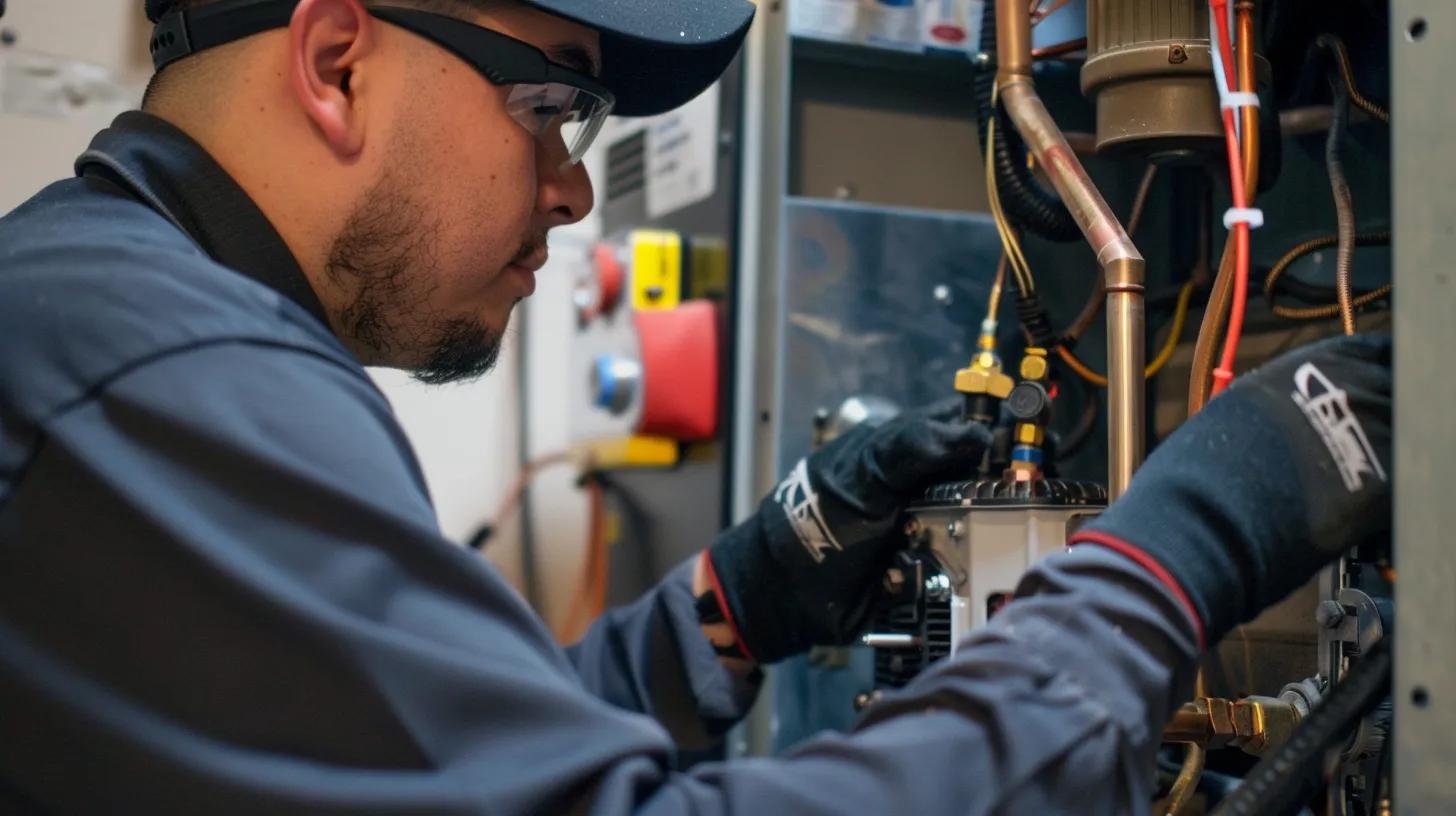
A healthy furnace operates with a relatively consistent, low hum. So, when it starts producing unusual sounds like banging, rattling, or squealing, it’s usually a clear signal that something is mechanically amiss. These noises can indicate anything from a loose component to a serious internal fault, and ignoring them can lead to more significant, costly repairs down the line. Listening closely to the type of sound and when it occurs can provide valuable clues.
What Do Banging, Rattling, or Squealing Noises Mean for Your Furnace?
- Banging: Often a sign of delayed ignition, where gas builds up before igniting, causing a small explosion. This can also stem from loose burners or panels shifting. A cracked heat exchanger can also cause combustion lag, leading to banging.
- Rattling: Typically points to loose screws, detached duct straps, or debris (like a small tool or dirt) in the blower compartment that vibrates when the fan starts. It could also be a loose panel on the furnace itself.
- Squealing: Usually indicates a failing blower motor bearing or a worn, frayed belt in older systems. This increases friction and heat, and if left unaddressed, can lead to motor failure.
Homeowner Checks: Safely turn off the furnace power, then check if all access panels are securely tightened. Listen closely to pinpoint the general area of the sound. Note whether the sound appears only at startup, during steady operation, or at shutdown. Persistent mechanical sounds, especially those that worsen, warrant immediate technician inspection.
When Should You Call a Technician for Furnace Noise Issues?
If any noise is accompanied by a loss of heat, burning smells, visible flames that look abnormal, or repeated loud bangs, it’s a critical sign to stop using the furnace and request professional service immediately. Intermittent, low-volume rattles that disappear after tightening panels might be scheduled for next-day service, but issues like failing bearings, worn belts, or ignition problems should be addressed promptly to avoid collateral damage to other components.
Frequent or worsening noises indicate progressive wear; delaying repair can escalate costs or lead to safety risks. For urgent or safety-related sounds, remember that local providers like Buckeye Comfort Solutions offer 24/7 emergency availability for immediate assessments. Schedule Your Furnace Inspection
2. Uneven Heating & Cold Spots: Is Your Home a Patchwork of Temperatures?
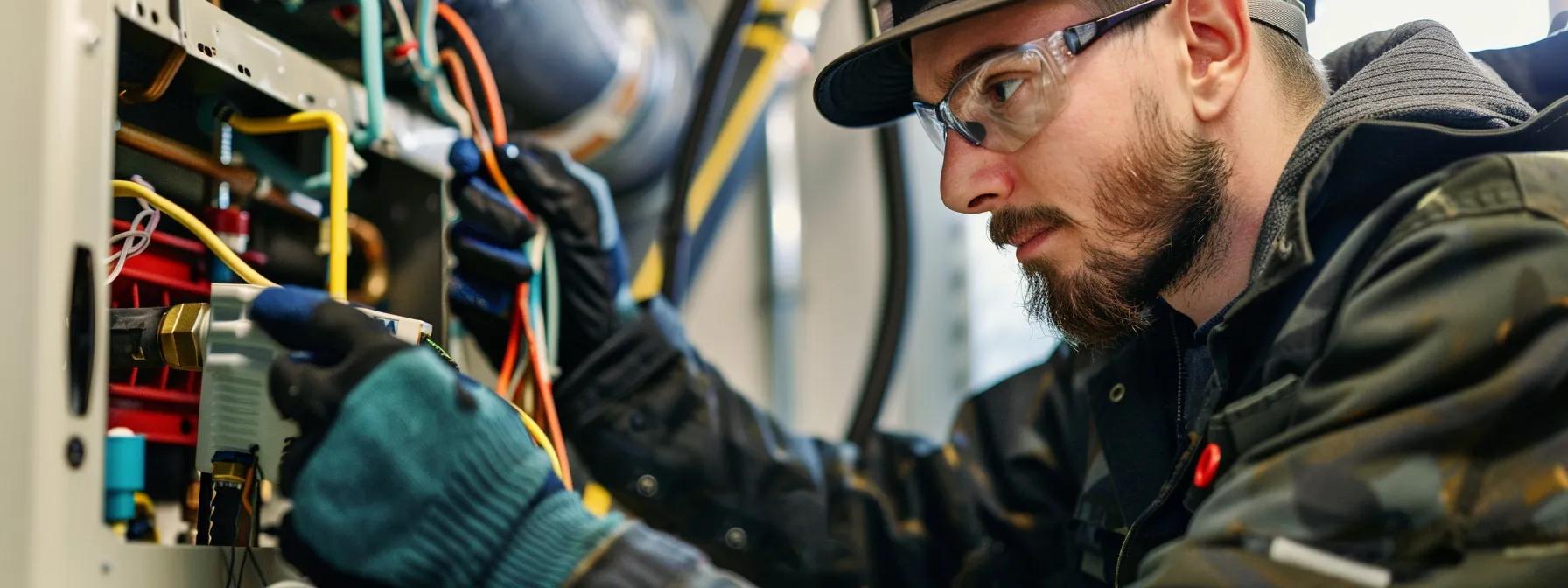
Do some rooms feel like a sauna while others remain stubbornly chilly? Inconsistent or insufficient heating, characterized by cold spots or rooms that never reach the set temperature, means your heating system isn’t delivering or distributing heat effectively. This isn’t just uncomfortable; it forces your furnace to work harder and longer, increasing wear and energy costs while masking underlying component problems.
What Causes Cold Spots and Uneven Heating in Your Home?
Cold spots commonly result from a variety of issues, some simple, some more complex:
- Blocked or Closed Vents: Furniture, rugs, or even dust buildup can obstruct registers, preventing warm air from circulating.
- Dirty Air Filters: A clogged filter restricts airflow throughout your entire system, reducing the amount of warm air reaching your rooms.
- Leaky or Poorly Insulated Ductwork: Ducts running through unheated spaces (like attics or crawl spaces) can lose a significant amount of heat before it ever reaches your living areas. Leaks in the ductwork allow warm air to escape.
- Thermostat Placement: If your thermostat is located near a draft, a sunny window, or a heat source, it might be reading an inaccurate temperature, causing the furnace to shut off prematurely or run unnecessarily.
- Improper System Sizing: An undersized furnace simply can’t produce enough heat for your home, while an oversized one might short-cycle, leading to uneven heating.
Homeowner Checks: Start by verifying all vents are open and unobstructed. Replace your furnace filter if it’s dirty (aim for every 1-3 months). Confirm your thermostat’s location is away from drafts or direct heat sources.
3. Furnace Struggling to Reach Set Temperature: Working Hard, Getting Nowhere
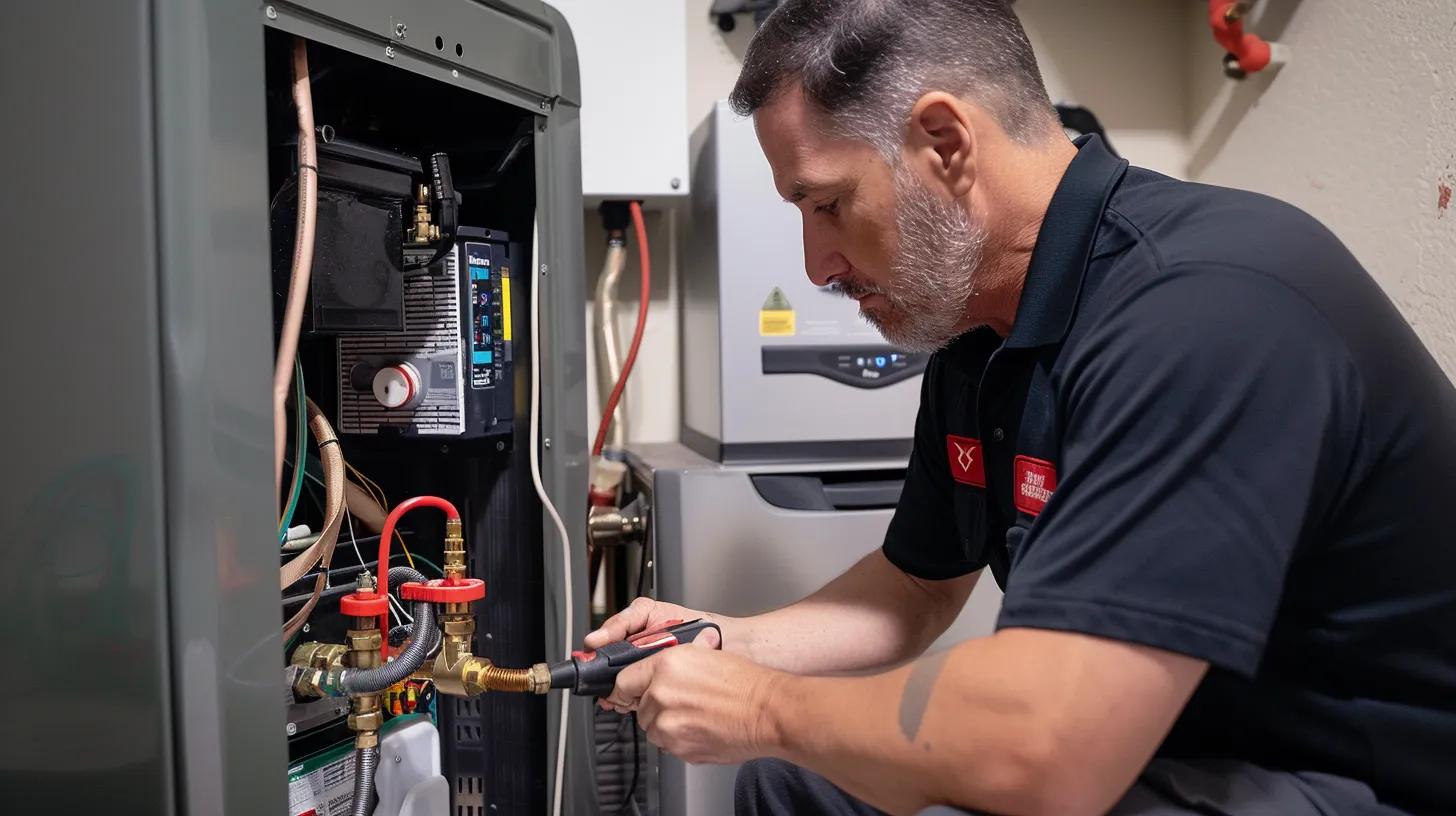
When your furnace runs long cycles, seemingly endlessly, but your house never quite reaches the thermostat’s set point, it’s a clear indication of reduced heating capacity. This problem not only leaves you cold but also puts immense strain on your system, leading to premature wear and tear and significantly higher energy bills.
How Does a Furnace Struggling to Reach the Set Temperature Indicate Repair Needs?
This issue suggests that your furnace isn’t producing or distributing enough heat to meet your home’s demands. Potential causes include:
- Reduced Heat Output from Burners: Dirty or faulty burners may not be igniting properly or producing a strong enough flame.
- Blocked Heat Exchanger Flow: Soot or corrosion can build up inside the heat exchanger, impeding heat transfer.
- Failing Blower Motor: If the blower isn’t moving air effectively, the heat generated by the furnace won’t be distributed throughout your home.
- Incorrect System Sizing: As mentioned, an undersized furnace will constantly struggle to heat your home, especially during peak winter temperatures.
- Thermostat Malfunction: Sometimes the issue is as simple as a misreading sensor or incorrect thermostat programming.
Homeowner Checks: Begin with a fresh air filter and a calibrated thermostat check. Ensure the thermostat is set correctly and its batteries are fresh. Persistent inability to reach temperature despite good airflow and a working thermostat indicates component degradation, such as weak burners or failing heat exchanger performance that needs diagnostic testing.
Scheduling a technician can identify repair options or whether replacement is more cost-effective.
4. Frequent On/Off Cycling (Short Cycling): The Stop-and-Go Furnace
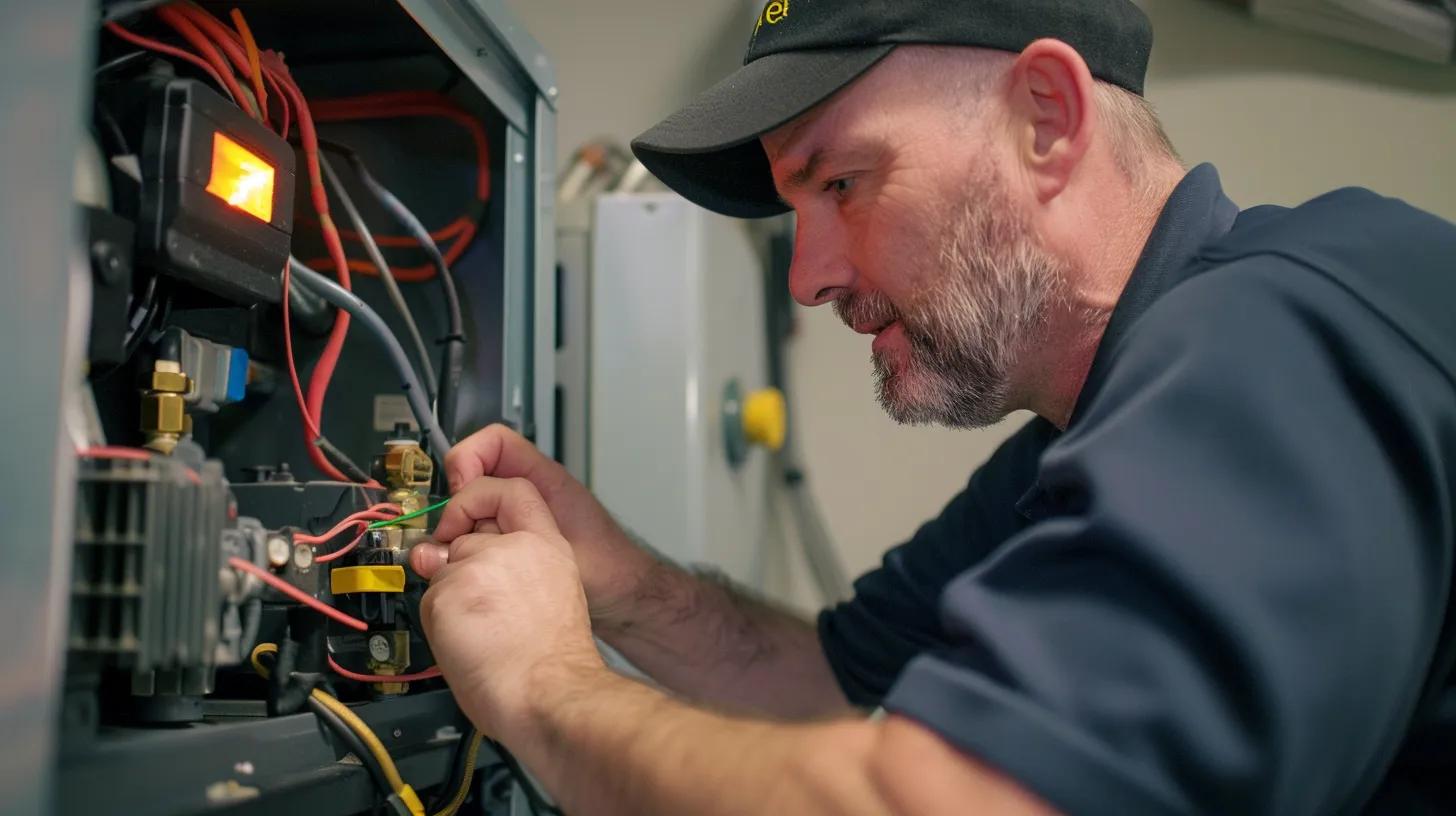
Does your furnace turn on, run for a short burst, then shut off, only to repeat the process minutes later? This “short cycling” is a common warning sign that your furnace is operating inefficiently or reacting to an internal fault. It’s detrimental to your system’s health, shortening its lifespan, wasting energy, and often failing to provide consistent warmth.
What Is Furnace Short Cycling and What Causes It?
Short cycling is when a furnace starts, runs for a brief period (often less than 10-15 minutes), then shuts off repeatedly without completing a normal heating cycle. This constant starting and stopping puts undue stress on components like the blower motor and igniter. Common causes include:
- Restricted Airflow: A dirty air filter, blocked return air vents, or closed supply registers can cause the furnace to overheat and trigger its safety limit switch, shutting it down prematurely.
- Thermostat Malfunction: A faulty thermostat or one placed in a drafty area can misread temperatures, causing the furnace to cycle erratically.
- Oversized Furnace: If your furnace is too large for your home, it will heat the space too quickly, satisfy the thermostat, and shut off before completing a full cycle. While seemingly efficient, this leads to uneven heating and increased wear.
- Ignition Failures: Problems with the igniter or flame sensor can cause the furnace to attempt to start, fail, and then shut down as a safety measure.
Homeowner Mitigation: Simple steps include changing the air filter, ensuring all vents are open and unobstructed, and verifying thermostat settings. If short cycling persists, power the system down and call for a diagnostic visit. Promptly addressing short cycling prevents premature failure of critical components.
5. Unexpectedly High Energy Bills: The Cost of Inefficiency
One of the most tangible signs of furnace trouble often appears in your mailbox: a heating bill that’s suddenly much higher than usual, especially if your usage habits haven’t changed. This usually indicates reduced system efficiency, meaning your furnace is working harder and consuming more fuel to maintain the same level of comfort.
How Do Rising Energy Bills Reflect Furnace Inefficiency?
Rising heating bills are a direct reflection of your furnace’s declining efficiency. This can be due to:
- Age and Wear: Older furnaces naturally become less efficient over time as components wear out.
- Dirty Components: A dirty burner, heat exchanger, or blower fan forces the system to work harder.
- Failing Parts: A struggling motor, a leaky duct system, or a malfunctioning thermostat can all contribute to increased runtime and energy consumption.
- Lower AFUE: Reduced efficiency means a lower Annual Fuel Utilization Efficiency (AFUE) rating, translating directly to higher consumption.
Even a modest efficiency loss (a few percentage points) compounds significantly over a winter season, making diagnostics cost-effective when bills spike suddenly. Routine furnace maintenance, including filter replacement, burner tune-ups, and duct sealing, can recover significant efficiency and lower costs. If maintenance and targeted repairs do not improve consumption, comparing repair estimates against replacement scenarios helps determine the most economical choice for the long term.
Explore Our Maintenance Plans. And book your furnace inspection now!
Is Your Furnace Costing You Too Much?
Don’t let high energy bills drain your wallet. A professional tune-up can restore efficiency!
Here’s a quick diagnostic table for common causes of short cycling and rising energy use:
Common Causes of Short Cycling & Rising Energy Bills
| Cause | Symptom | What to Check / Possible Fix |
|---|---|---|
| Clogged filter / restricted airflow | Runs briefly then shuts off; warm registers cold quickly; high bills | Replace filter, ensure vents open; check blower access for debris. |
| Thermostat malfunction | Erratic cycles or mismatch with set temp; inconsistent heating | Replace batteries, confirm setpoint and placement; recalibrate or swap thermostat temporarily. |
| Oversized furnace | Short cycles with rapid temperature rise; uneven heating | Review system age and sizing with the technician; evaluate replacement sizing. |
| Overheating from blocked vents | Unit cycles frequently, high blower heat, burning smell | Clear obstructions, inspect return ducts. |
6. Unusual Odors: When Your Furnace Smells Suspicious
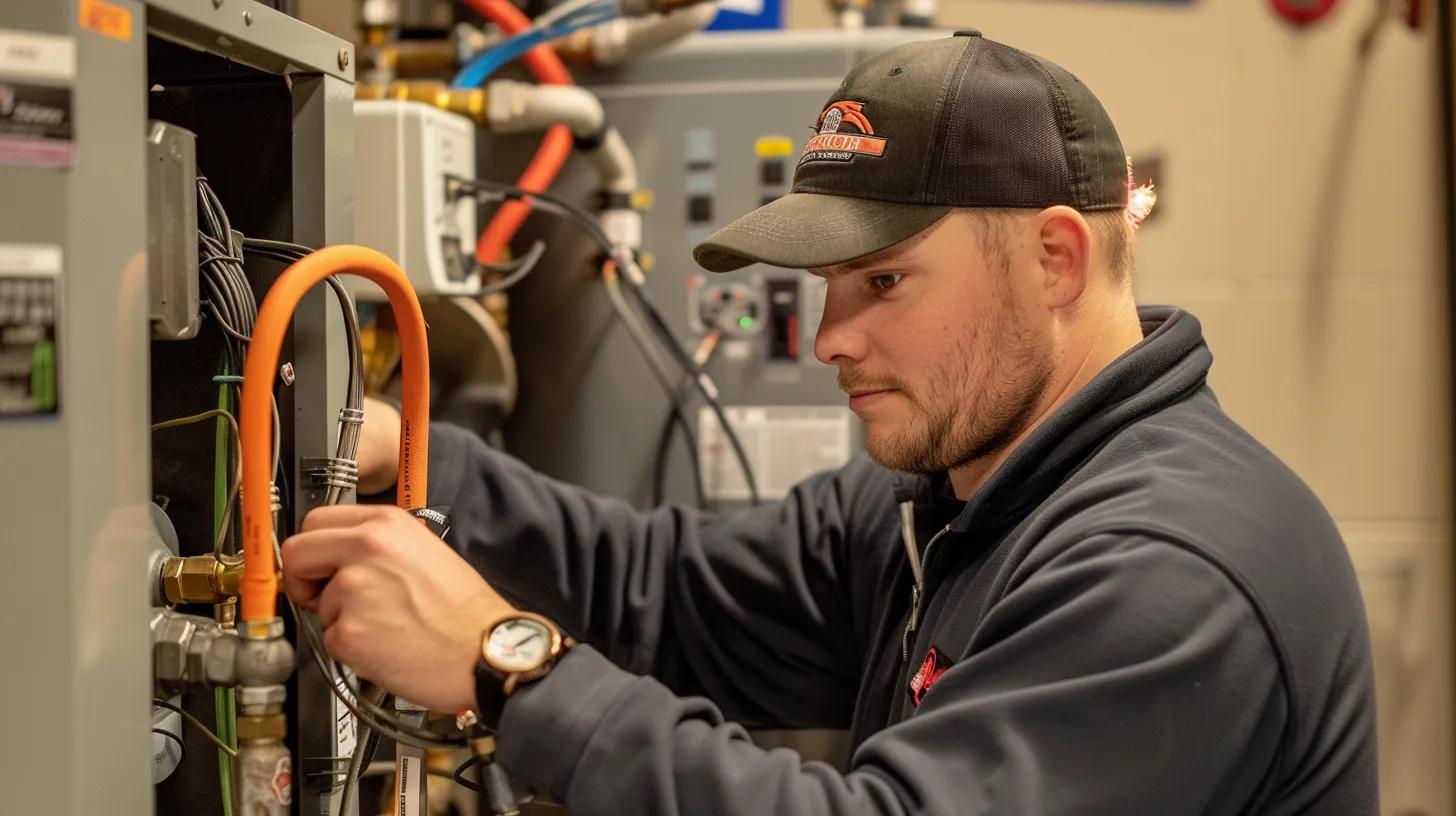
Your nose can be a powerful diagnostic tool when it comes to furnace problems. While some smells are normal (like a dusty scent at the beginning of the season), others signal imminent danger and require immediate action. Never ignore persistent or strong, unusual odors coming from your furnace or vents.
What Do Strange Odors Like Burning or Rotten Egg Smells Indicate?
- Dusty Burning Smell: Often occurs briefly after seasonal startup as dust accumulated on the heat exchanger burns off. This is usually harmless and should dissipate quickly. Ensure good ventilation.
- Acrid Electrical Burning Smell: This is a serious warning sign. It points to overheating wiring, a failing motor, or other electrical components. This requires immediate shutdown of the furnace and a call to a professional to prevent fire hazards.
- Sulfur or Rotten-Egg Smell: This is the most critical odor. Natural gas is odorless, but utilities add mercaptan, a chemical that smells like rotten eggs, for leak detection. If you smell this, it indicates a natural gas leak.
Immediate Action for Gas Leaks: If you smell rotten eggs:
- Evacuate Immediately: Get everyone, including pets, out of the house.
- Do NOT Use Electronics: Avoid light switches, phones, or anything that could create a spark.
- Call Emergency Services: From a safe location, call your gas utility company’s emergency line and 911.
- Do NOT re-enter: Wait for professionals to declare your home safe.
For non-urgent burning dust smells that dissipate within a short run cycle, ventilation and monitoring may suffice, but persistent or sharp electrical or gas odors demand immediate professional attention. Buckeye Comfort Solutions notes that homeowners experiencing safety-related symptoms should request urgent service; local providers with 24/7 emergency options can respond to these critical situations.
7. Changes in Pilot Light Color: The Flame’s Warning Signal
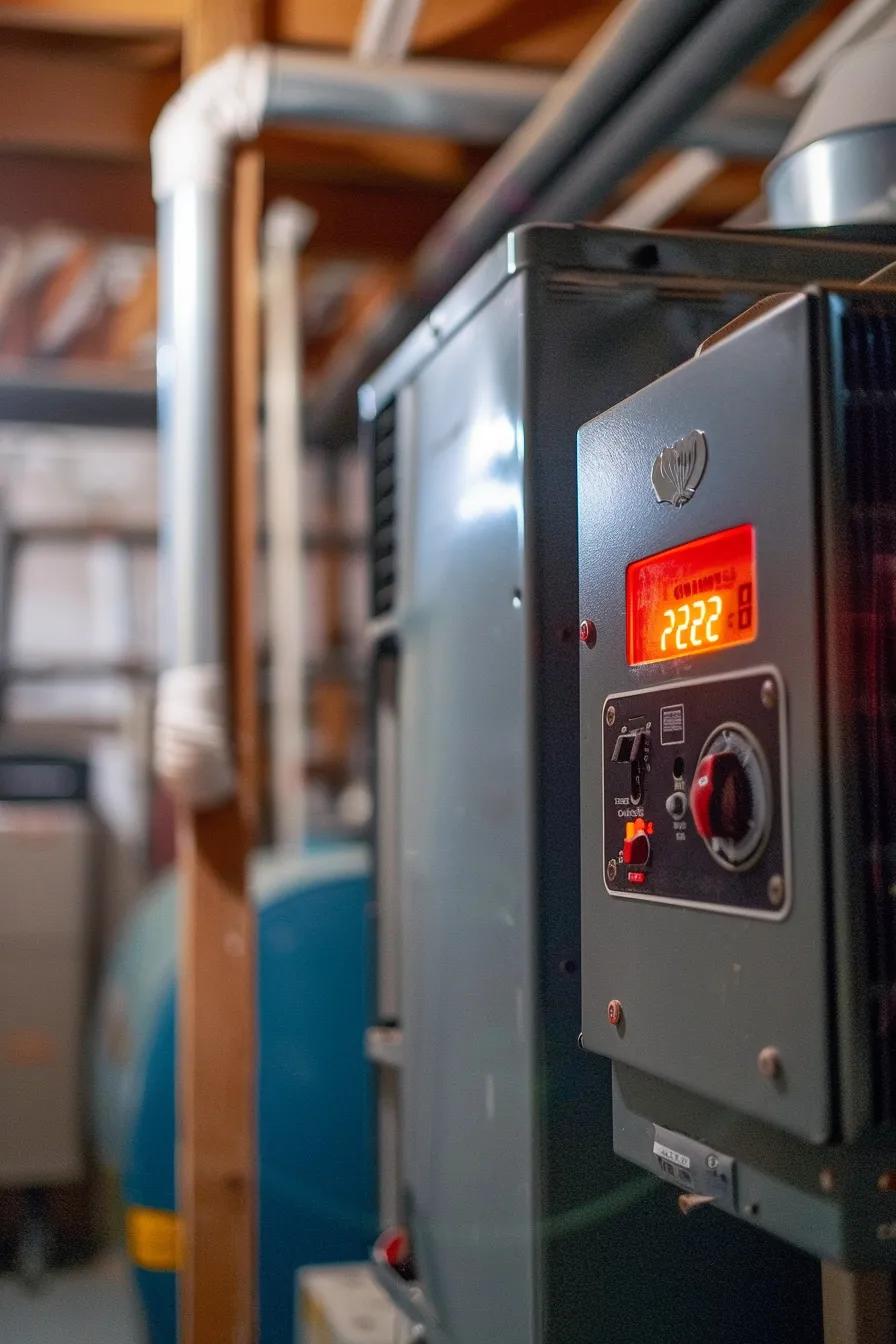
For furnaces with a pilot light (or for the main burner flame in newer models), its color is a crucial indicator of safe and efficient combustion. A healthy flame should be a strong, steady blue. Any deviation from this color is a serious safety concern.
Why Is a Yellow Pilot Light Dangerous and What Does It Mean?
A steady blue flame indicates complete combustion, meaning the gas is burning efficiently and safely. A yellow, orange, or flickering flame, however, suggests incomplete combustion. This is dangerous because incomplete combustion produces carbon monoxide (CO), a colorless, odorless, and highly toxic gas. Carbon monoxide poisoning can be fatal.
Incomplete combustion can stem from several issues:
- Clogged Burners: Dirt or debris can obstruct the gas flow, leading to an improper air-to-fuel mixture.
- Improper Gas Pressure: Incorrect gas pressure can affect the flame’s appearance and efficiency.
- Cracked Heat Exchanger: A crack in the heat exchanger can allow combustion gases (including CO) to mix with the indoor air circulating through your home.
Immediate Action for Yellow Flame:
- Ensure CO Detectors are Functioning: These detectors are essential safeguards in any home with a gas furnace. If your CO alarm activates, evacuate immediately.
- Evacuate if Suspect CO Exposure: Symptoms include headache, nausea, dizziness, and confusion.
- Turn Off Gas (If Safe): If you know how and it is safe to do so, turn off the gas supply to the furnace.
- Call Professionals Immediately: Contact your HVAC technician or gas utility for an urgent inspection.
Never take a yellow or orange pilot light lightly. It’s a direct threat to your family’s safety.
Repair or Replace? Making the Right Decision for Your Home
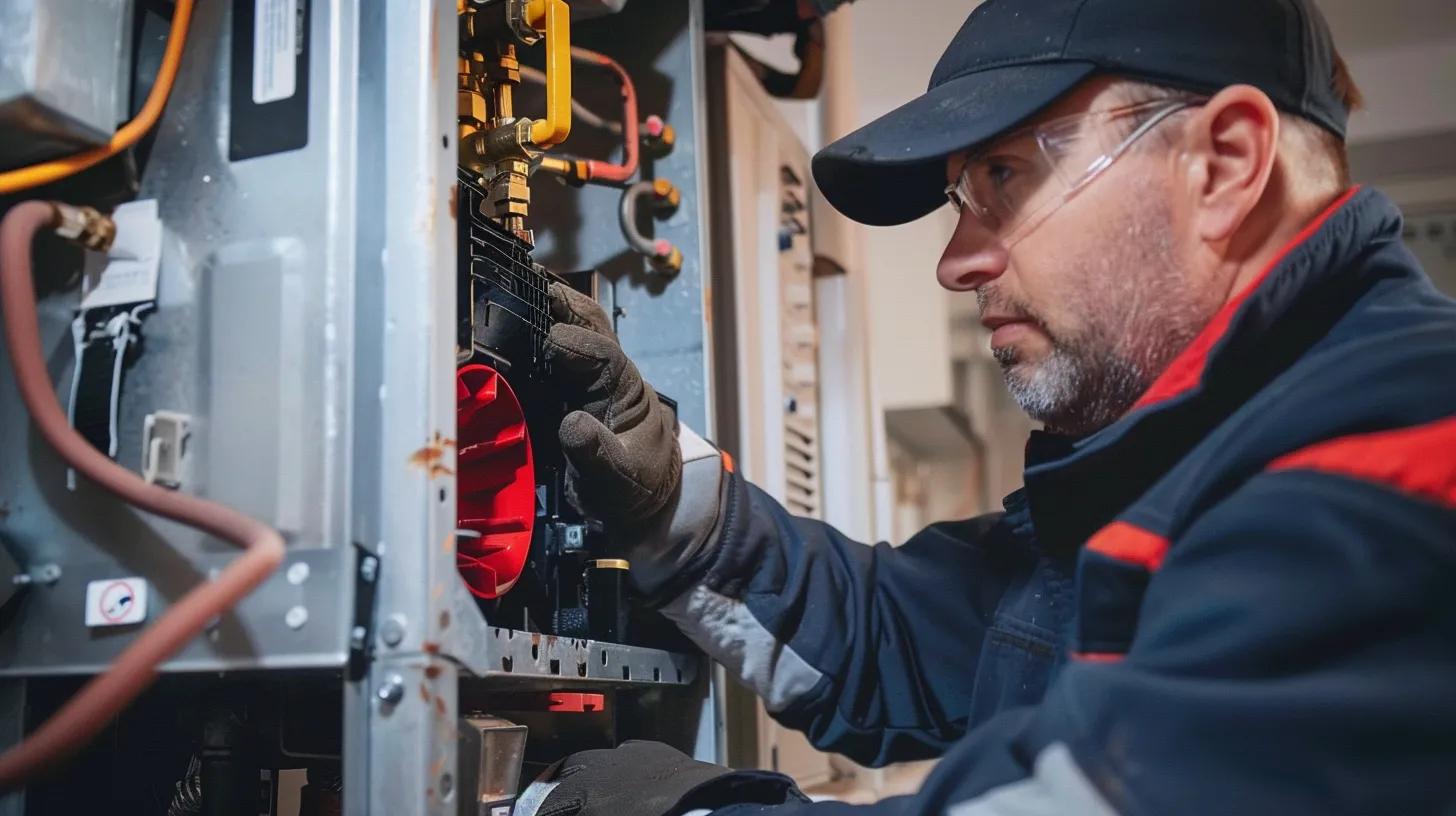
Once you’ve identified a furnace problem, the next big question is often: Should I repair it, or is it time for a full furnace replacement? This decision depends on several factors, including the age of your unit, the cost of the repair, the frequency of breakdowns, and the potential efficiency gains of a new system.
This table summarizes typical repair vs. replace scenarios to guide homeowner decisions:
Furnace Repair vs. Replacement Guide
| Option | Typical Cost Range | Typical Lifespan / Symptoms |
|---|---|---|
| Repair | Around $200 – $1,500 (varies by part) | Fixes single-component failures; suitable if the system <10 years old and has no repeated issues. |
| Replacement | Almost $3,500 – $8,000+ (varies by model/installation) | Best when unit age >15 years, frequent breakdowns, major heat exchanger failure, or significant efficiency loss. |
| Mid-life Major Repair | Around $1,500 – $3,500 | Consider if recurring expensive repairs reduce value; compare to replacement cost and efficiency gains. |
A professional technician can provide a detailed assessment, outlining the pros and cons of both options, helping you make an informed decision that aligns with your budget and long-term comfort goals. They can also discuss financing or tax-credit opportunities that may apply to new, high-efficiency furnace repair or even heat pump services.
Your Comfort is Our Priority: Contact Buckeye Comfort Solutions Today!

Recognizing these seven warning signs is the first step toward a safer, warmer, and more energy-efficient home this winter. Don’t wait for a complete breakdown to address furnace issues. Early detection and prompt action can save you money, prevent discomfort, and most importantly, ensure the safety of your loved ones. Whether you’re hearing strange noises, noticing cold spots, or concerned about rising energy bills, the expert team at Buckeye Comfort Solutions is here to help.
We proudly serve Mentor, OH, and surrounding communities, including Lake County, Geauga County, Cuyahoga County, and Cleveland. Your comfort and peace of mind are just a call away!
Ready for a Warm & Worry-Free Winter? Contact Buckeye Comfort Solutions for reliable furnace inspections, repairs, and replacements.


